Sustainability


To shape the future of mobility, Porsche continually reimagines technologies. In doing so, the sports car manufacturer measures progress not only by performance, but also by how well it meets its responsibility toward the environment and society. To achieve this, Porsche relies on the power of technological innovation – consistently testing, evaluating and further developing various drive systems: from emotional combustion engines and plug in hybrids and fully electric vehicles.

Porsche drives innovation along the entire value chain: in development and procurement, in production and sales – in close collaboration with direct partners and firmly anchored in its own strategic sustainability action fields. These define Porsche’s contribution to greater climate protection, social responsibility and a commitment to transparent corporate governance.

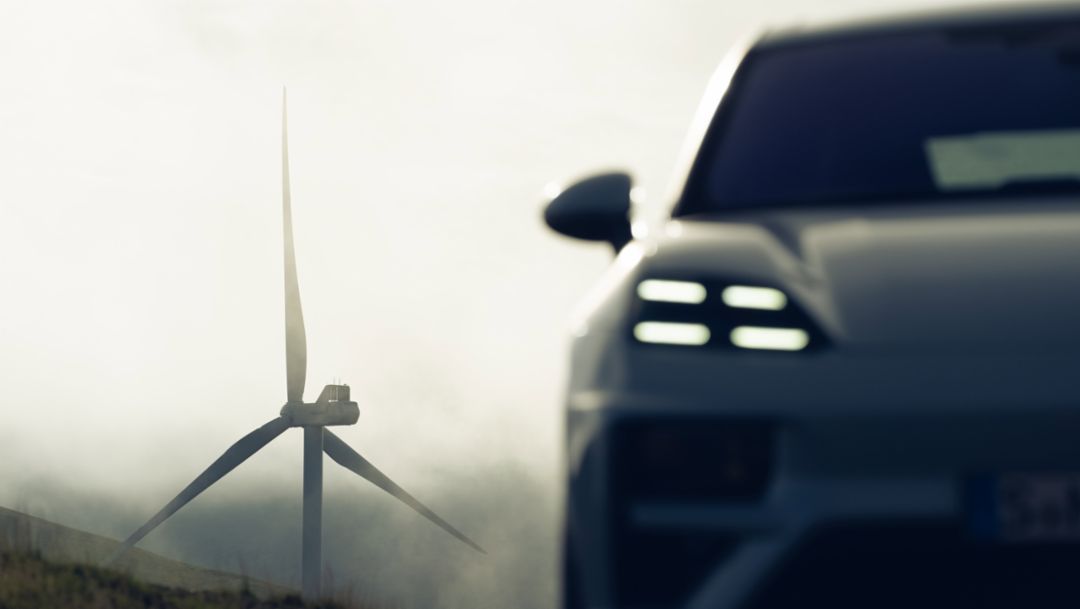
Sustainability Management

At Porsche, the three ESG areas – environment, society and corporate governance – form the fundamental principles of responsible business. They embed sustainability strategically within the company and are an integral part of our corporate decisions, products and direct partnerships.

Perspectives on sustainability at Porsche

Sustainability has many facets at Porsche. In the interview series “Sustainability Perspective”, Porsche employees share insights into their specialist areas.

Sustainability in the car

News from the "Sustainability" section

ESG Topics

Sustainability organization and Stakeholder Management, 2023, Porsche AG

Frequently asked questions


Sustainability is also becoming increasingly important for automotive customers. Porsche aims to take social responsibility that can transcend its obligations to the customers.

Memberships and Networks

UN Global Compact


Porsche is a participant in the UN Global Compact. The world’s biggest and most important initiative for sustainable and responsible corporate governance is a multistakeholder platform for the development, implementation and disclosure of responsible business practices.

Deutsches Netzwerk Wirtschaftsethik


The search for peaceful solutions to conflicts requires new forms of dialogue between practice and academia. Promoting and conducting this dialogue is the central goal of the German Network for Business Ethics.

KLIMAWIN


By signing the KLIMAWIN, companies commit to the principles of KLIMAWIN and to the ambition of further increasing sustainability.

Latest Documents and Certificates

Images

Videos


The contacts listed here are exclusively for press representatives and online multipliers.

Do you have questions about your Porsche or service topics? About marketing, advertising or sponsoring? Or general questions? Your Porsche Centre or Porsche Contact will be happy to help you.

Contacts

Consumption data

  • 911 Turbo S (WLTP)*: Fuel consumption combined: 11.8 – 11.5 l/100 km; CO₂ emissions combined: 266 – 261 g/km; CO₂ class: G
  • Cayenne Turbo Electric (WLTP)*: Electrical consumption combined: 22.4 – 20.4 kWh/100 km; CO₂ emissions combined: 0 g/km; CO₂ class: A
  • Macan Turbo (WLTP)*: Electrical consumption combined: 20.7 – 18.4 kWh/100 km; CO₂ emissions combined: 0 g/km; CO₂ class: A
  • Taycan (WLTP)*: Electrical consumption combined: 19.1 – 16.7 kWh/100 km; CO₂ emissions combined: 0 g/km; CO₂ class: A