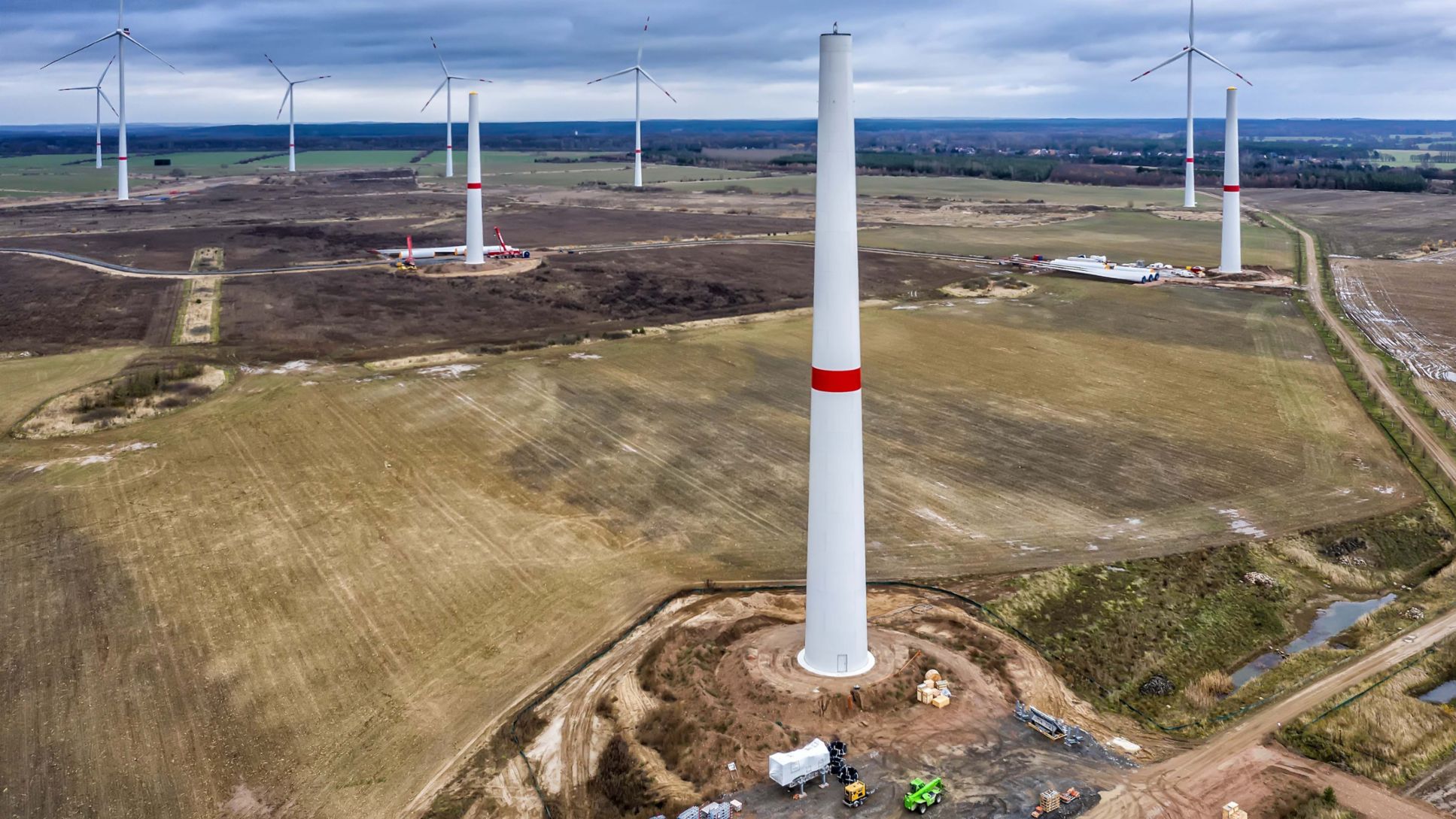
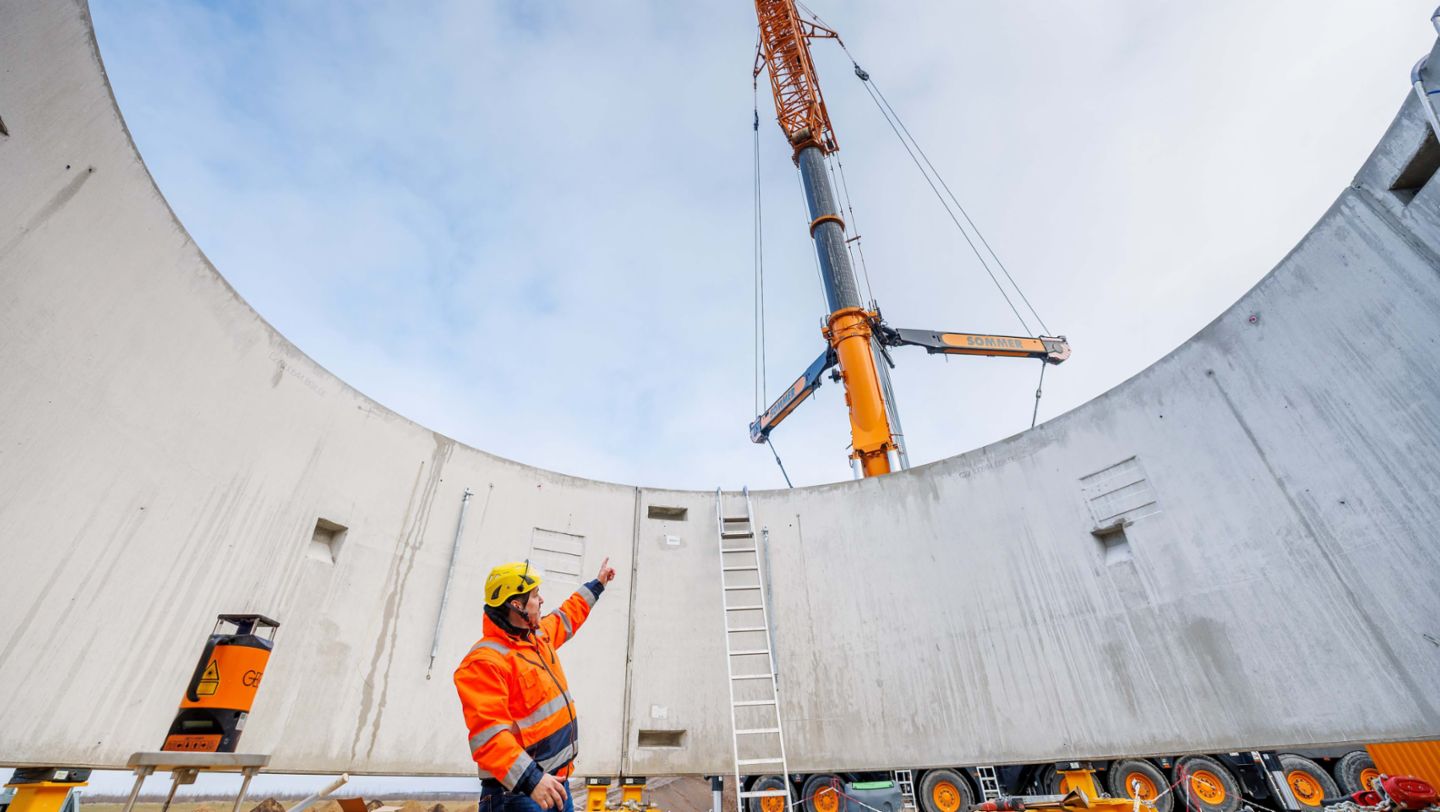
Graduate engineer Gonzalo Cortes Nannig pushes his bright yellow hard hat back a little and gazes up at the sky. He watches the clouds drift by. The one thing the experienced project manager really doesn't need right now? Wind. The heavy mobile cranes are now set to hoist prefabricated concrete rings into the air and stack them on top of each other with millimeter precision to form a huge tower. There’s no leeway for wobbling. No wind? A particularly windy spot on the German-Polish border has been specifically chosen as the site for the project. This is where the ultra-modern Forst Briesnig II wind farm is being built with a total of 17 high-performance wind turbines. Together, the Vestas V162-6.2 MW turbines are capable of generating over 100 megawatts of electricity per day. According to the operating company LEAG, this is enough to power 66,000 households. Max Bögl Wind AG– a subsidiary of the international construction group Max Bögl based in Sengenthal in southern Germany – has been awarded the contract to manufacture and erect the towers. And Bögl’s project manager, Cortes Nannig, is responsible for ensuring that everything runs smoothly. The electricity is scheduled to flow into the public grid for sustainable energy supply as early as 2026.
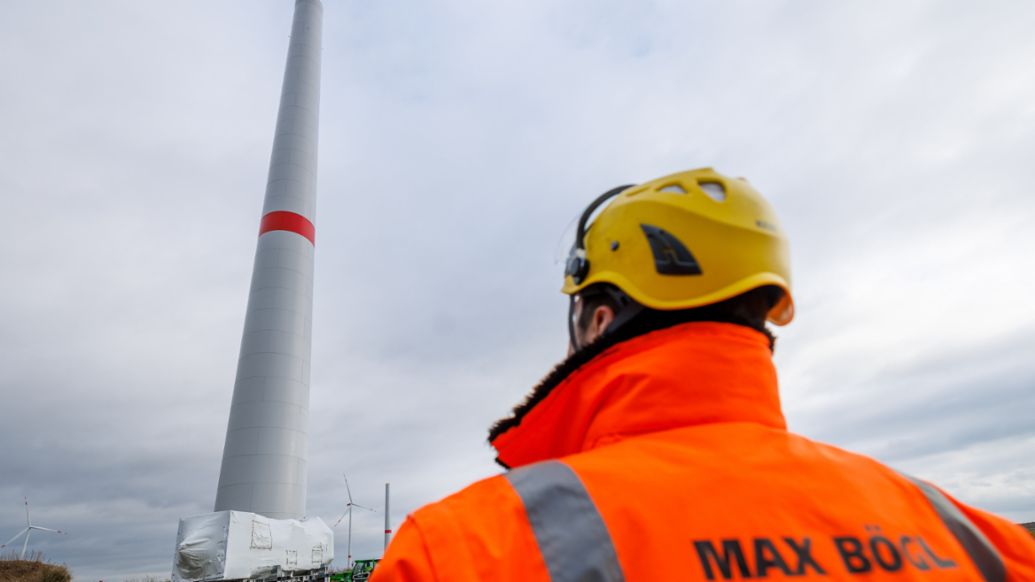
We are standing deep in the mud. The 320-hectare construction site is a reclaimed area of the former Jänschwalde open-pit lignite mine location in the Lusatia region, in the far east of Germany, 150 kilometers by car from the capital, Berlin. The oversized Liebherr LTM 1750 mobile crane being used comes from a specialist firm based in Bremen. It has nine axles, a load capacity of 800 tons and costs several million euros. And now it needs to get to work. After all, time is money. The 90-meter-high base tower needs to be erected in five days. For this, it needs 31 rings, the lowest of which has a diameter of almost ten meters. The tower tapers upwards in a conical shape and reaches a hub height of 169 meters. In the world of wind turbines, height means efficiency. The higher the altitude, the more constant the wind. Every added meter of height gives the wind turbine one percent more power.
Max Bögl’s specialty
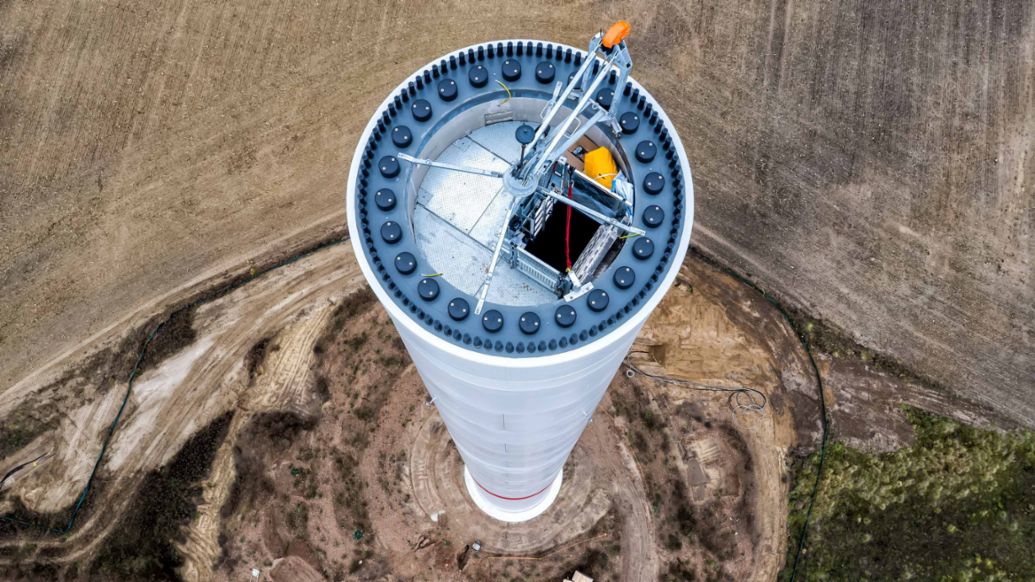
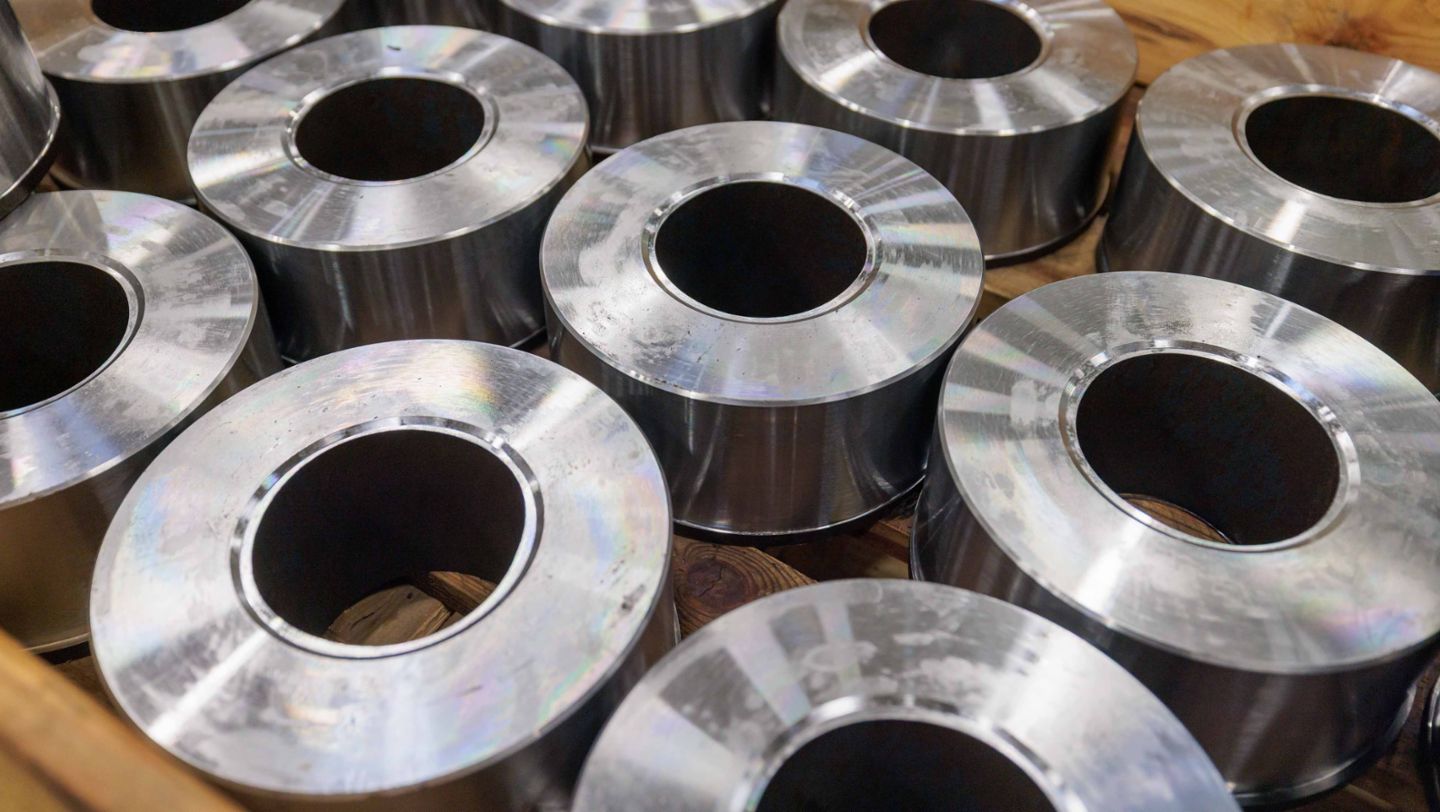
These simple-looking rings, used as tower elements, are the secret to building ever-taller wind turbines. And Max Bögl Wind AG is – so to speak – the Lord of the Rings. The rings are manufactured at the company’s headquarters in Sengenthal in southern Germany, in Emden (Lower Saxony) and – in this case – in the far north of Germany. The quiet village of Osterrönfeld, with a population of 5,000, lies on the narrow strip of land between the North Sea and the Baltic Sea, close to Denmark. It was here that Max Bögl built a modern prefabricated component factory in 2014, specializing in wind turbine towers. Visitors have only limited access to the manufacturing process and the formula used is kept strictly secret. The high-strength, self-compacting concrete is a well-guarded specialty of the company and ensures its commercial success. The formula is continuously developed and refined at Bögl.
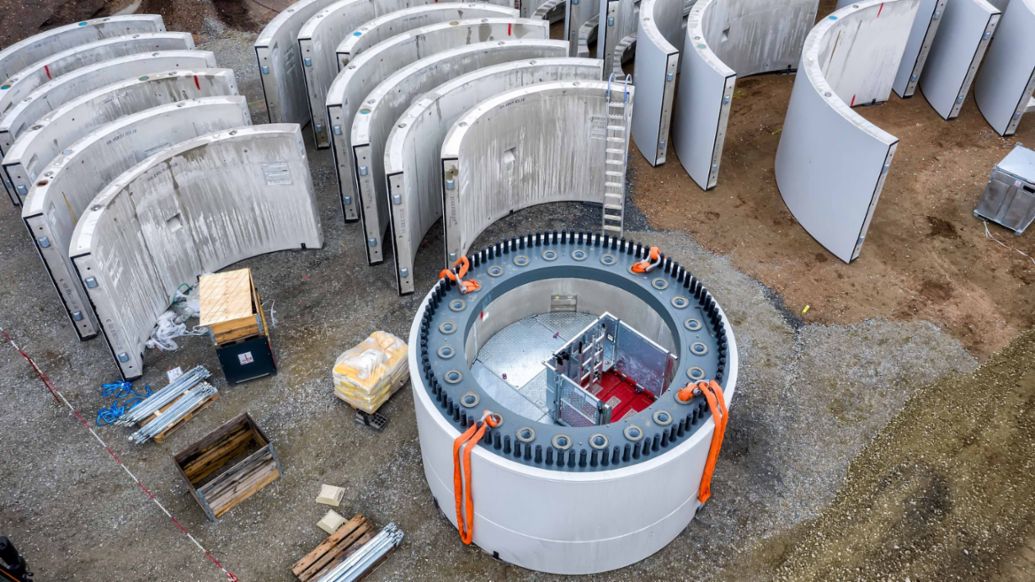
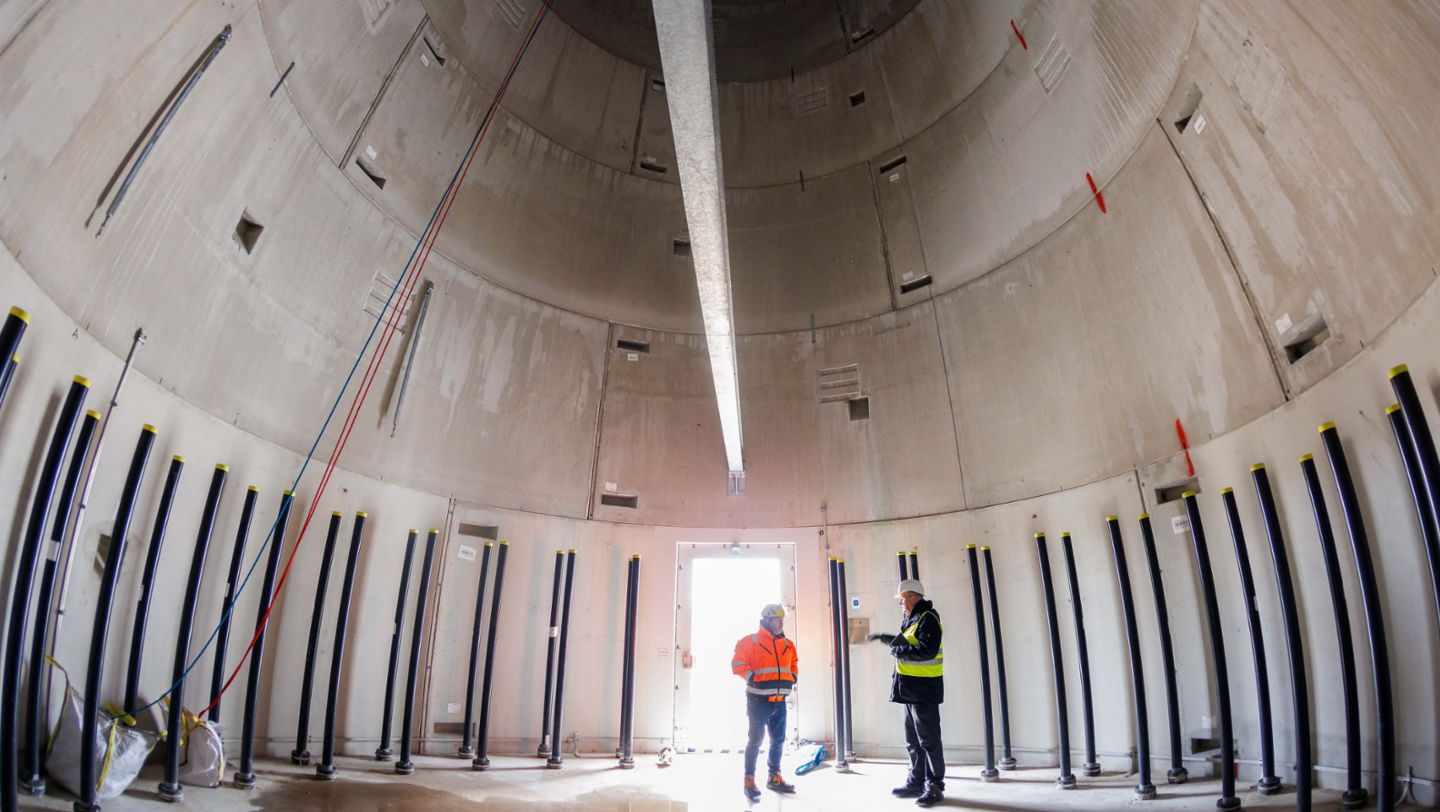
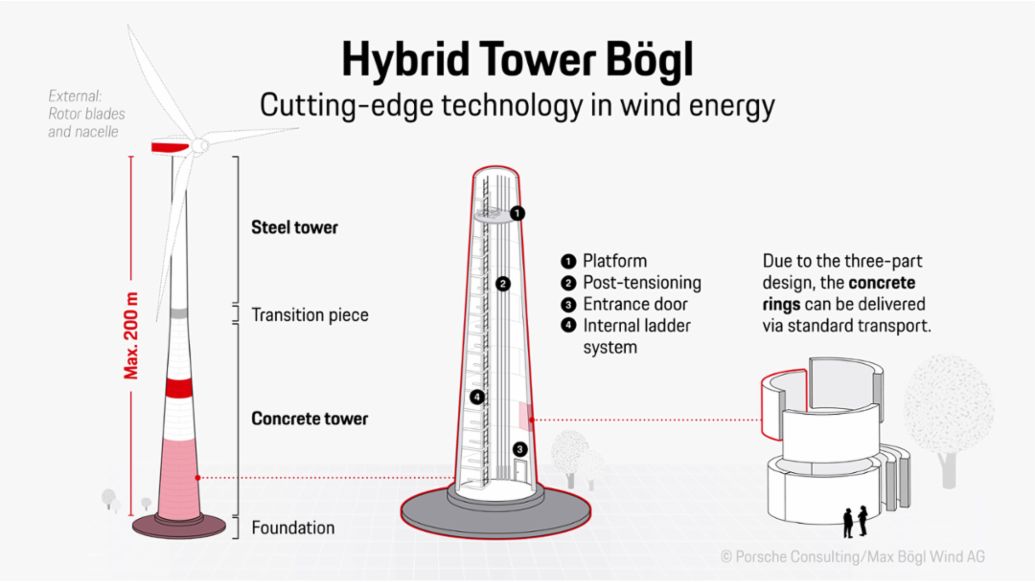
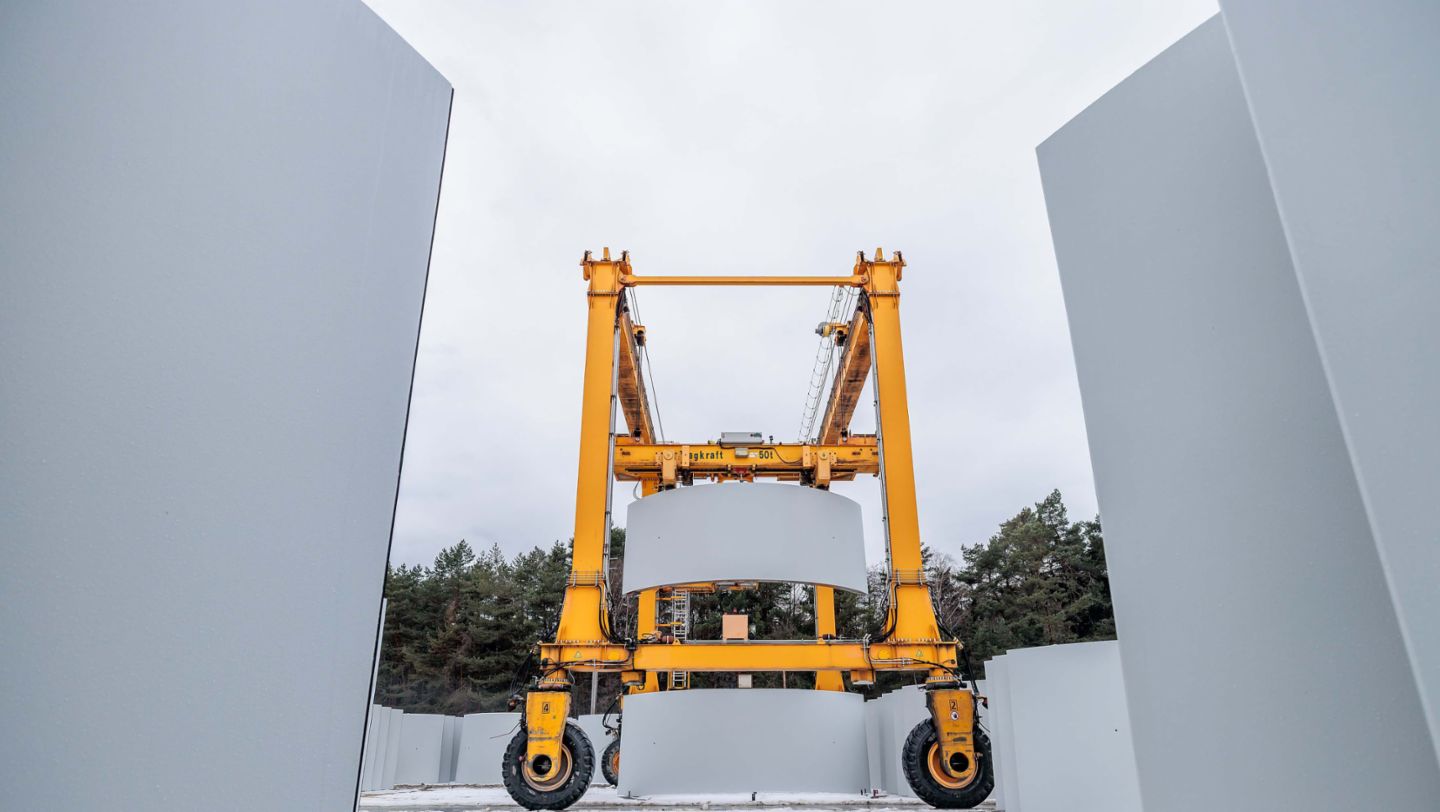
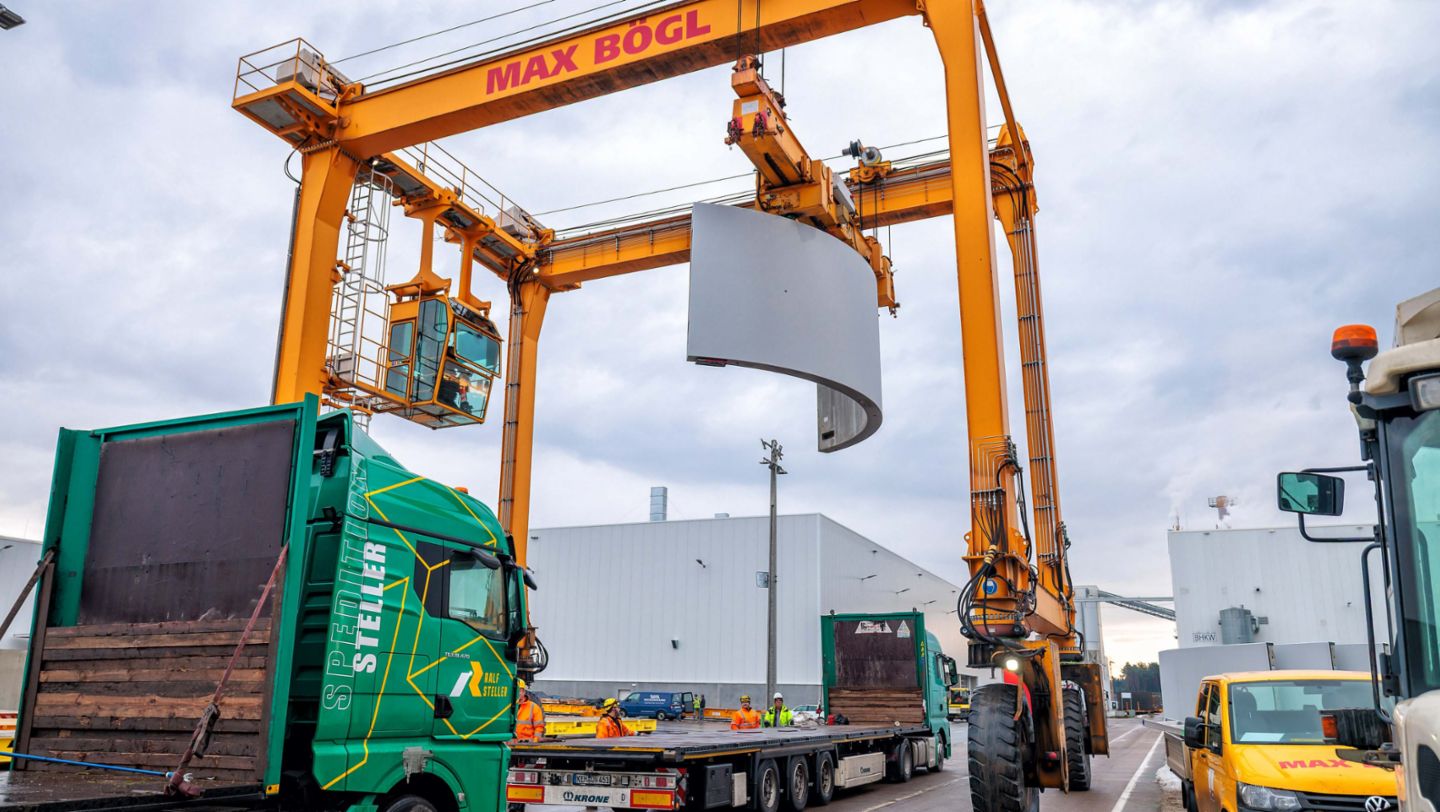
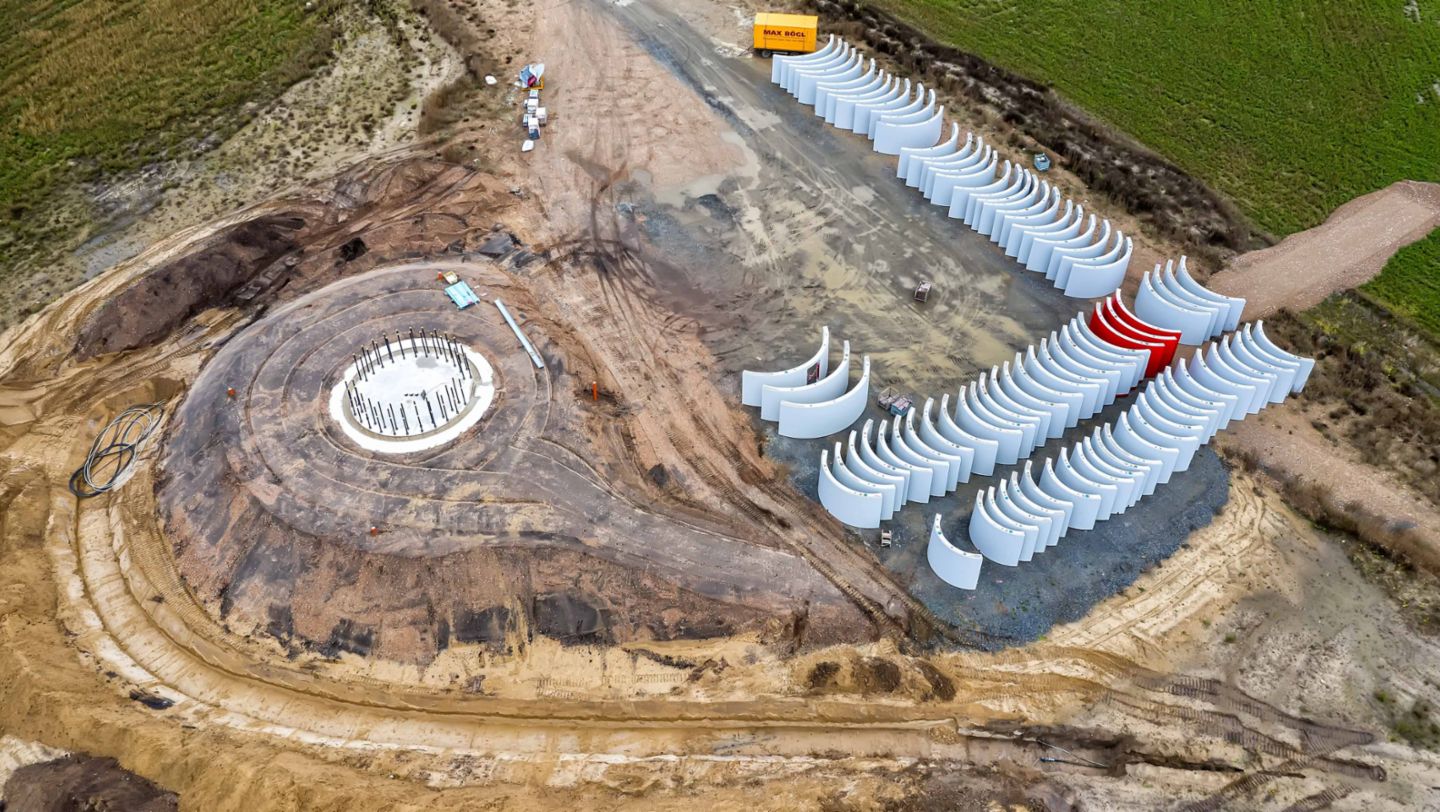
The Forst Briesnig II wind farm construction site is located exactly 510 kilometers away from Osterrönfeld – not exactly a stone's throw away when it comes to getting the materials to site. But a good solution has been found: To avoid having to transport the prefabricated components at great expense at night using oversized heavy-goods vehicles along motorways and country roads, the company now manufactures rings consisting of three parts. These parts can be delivered with standard 40-ton trucks. During installation at the wind farm, the three elements of the rings are bolted together at each vertical joint using just two bolts. When the completed rings are placed horizontally on top of one another, however, no connection is required – no bolts, adhesive or mortar. The extremely dimensionally accurate manufacturing, the precise installation and the rings’ own weight ensure impeccable structural integrity – together with strong, sheathed steel cables, known as tendons, which are ultimately tensioned on the inside of the tower from the foundation to the top. Everything fits together perfectly, down to the tenth of a millimeter, without room for even a grain of sand in between. True construction quality.
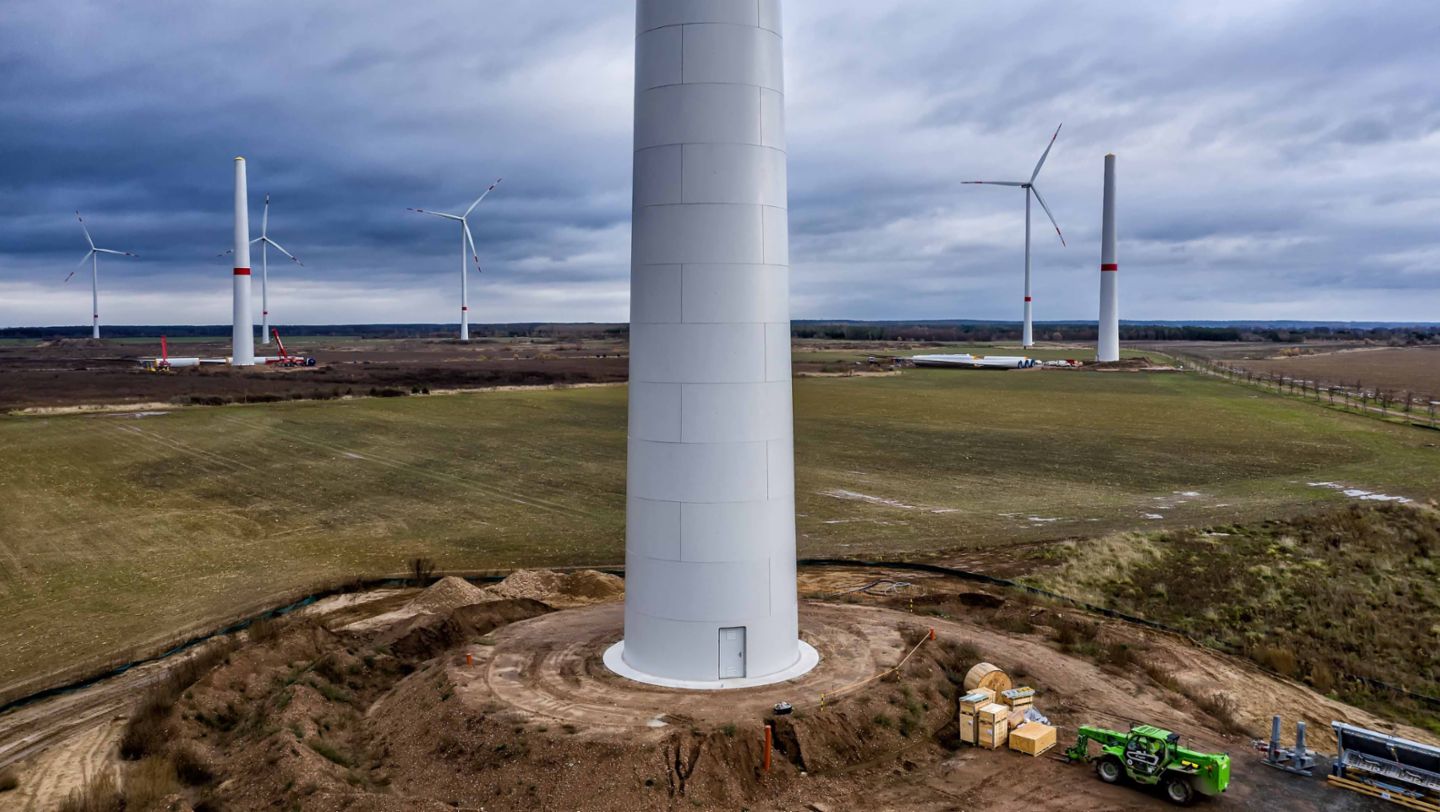
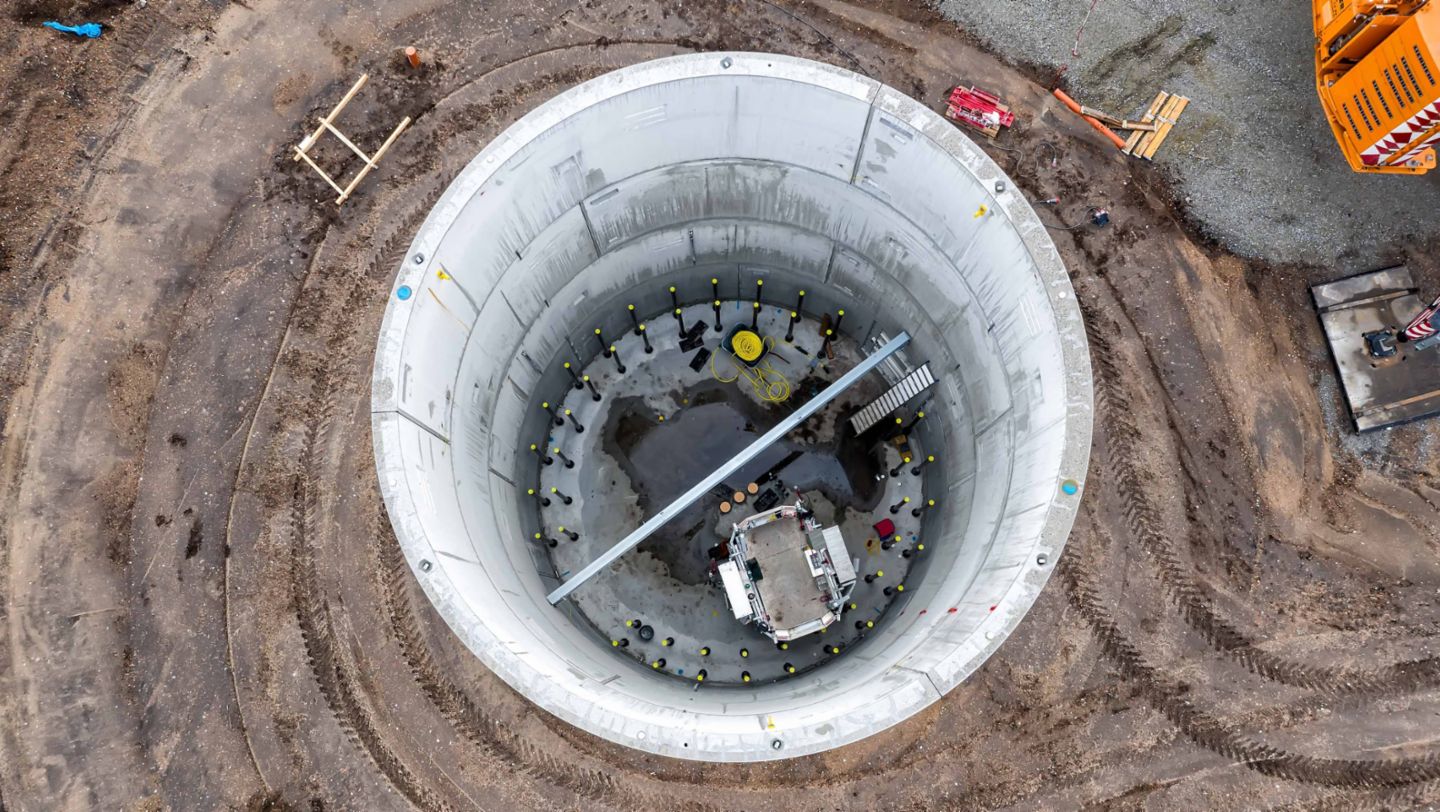
The wall elements consist of rings stacked on top of one another, which are swung into position by a crane. Beforehand, each ring is assembled on site from three segments that are connected at the sides using bolts only. The tower gets its stability from vertically braced tendons inside it. They are still connected to the black tension anchors at ground level. © Porsche Consulting/Marco Prosch
The future is being built on the Winnberg
Time for a change of scene: From one of Germany’s largest wind farm projects at present to the headquarters of the Max Bögl construction group in Sengenthal, southern Germany, near Nuremberg. It was here that the idea arose to expand the company’s extensive portfolio to include wind turbine towers. And it is also here that Josef Knitl, CEO of Max Bögl Wind AG, welcomes us. When he looks out of the window, he can see the Winnberg. Winnberg hill stands 560 meters above sea level and is set to be home to Bögl’s latest masterpiece: A wind turbine on a gigantic scale. With a total height of 285 meters, the rotor hub is situated at an elevation of 199 meters, and the three-bladed rotor alone has a diameter of 172 meters. The wind turbine is expected to generate 6.2 megawatts of electricity at peak output – more than double the current average achieved by conventional turbines. This makes the entire venture economically viable for the wind farm operator: The taller the tower and the larger the rotor diameter, the more efficient power generation becomes.
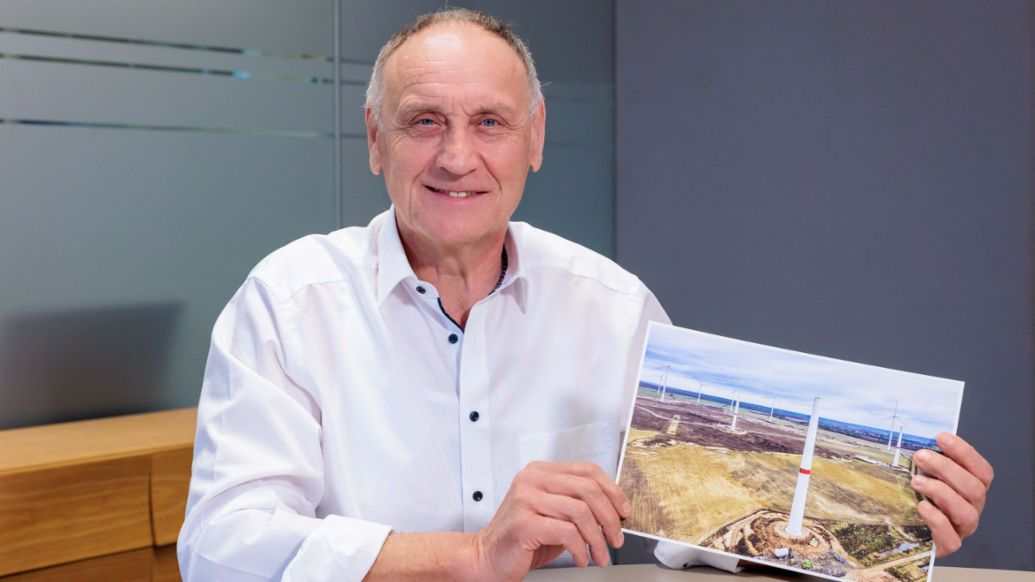
The Winnberg project is becoming a highly visible showcase project for Bögl employees at the company’s headquarters. It demonstrates where this ambitious journey is headed in the near future: even higher, even more powerful. And even more efficient and sustainable – both in terms of construction and in operation. “Ultimately, you have to put your faith in a megatrend,” explains civil engineer Knitl, who launched Max Bögl Wind AG in 2010, having laid the groundwork for the firm back in 2008 with market analyses and client consultations as a two-man start-up. The key question back then was: “How can we stand out from the market?” The answer: “We have to be the best – from planning to completion.” That’s why Bögl prefers to do everything in-house and offers its customers a complete service from a single source.
There was also another important prerequisite for the project’s economic viability: “We wanted to provide all customers with one and the same product. That means: The product must have a modular design. It must be possible to standardize manufacture and installation. Otherwise it will never pay off,” explains CEO Knitl. From the very beginning, his goal was to “rapidly industrialize the mass-produced product”, as he puts it. At the same time, he wanted to win over customers with excellence as a competitive edge: The construction process should be predictable and cost-effective. Unfortunately, this is still not a matter of course in construction. Yet Max Bögl achieved certainty as typical construction site issues were avoided through machine-based modular production in the factory, particularly when it came to dimensional accuracy and a precise fit. There should no longer be any discussions or delays during installation on site due to tolerances being exceeded.
Logistics poses challenges
Success came within just a few years, backed by impressive figures. Knitl: “In 2016, Max Bögl delivered around 400 towers to customers.” Although political factors led to a temporary slowdown in wind energy expansion, Max Bögl utilized the dip in sales to optimize the product. This primarily involved optimizing transport from the factory to the wind farm construction sites. Aging bridges on freeways and highways with limited load-bearing capacity hampered Max Bögl’s night-time heavy-haul transport operations. In the early years, complete tower rings were manufactured as individual modules or half shells. To avoid the need for oversized heavy goods vehicles, the specialists decided to instead produce each ring in three parts, enabling them to be delivered by standard trucks, trains and ships. Another advantage: Standard deliveries are not limited to night-time hours; they can also take place during the day Logistics has a key role in ensuring that construction projects run on schedule. If materials do not arrive on time, the installation team cannot carry out their work.
“At Max Bögl, we have the determination and drive to continually improve,” claims Thorsten Betz, Head of Engineering Wind, who has been with the company since the very beginning. Looking back, he says, it is sometimes better to prioritize small steps over giant leaps. Betz, who studied in France and the USA, admits: “Needless to say, we also faced a number of setbacks on the way. But each time we got back on our feet and carried on. Put simply, developments are not a linear process.” And development also means questioning the status quo. Such as dividing the tower rings into three segments: “Of course, fewer trips are needed when we deliver complete concrete rings. And installation is also easier, as we have fewer parts to join together. But particularly with our demanding and time-sensitive projects, it’s important to look at the big picture – from production at the factory up to installation of the turbine at the wind farm,” says Betz. And he adds: “Conflicting priorities are sometimes inevitable.”
However, at Max Bögl, conflicting priorities are neither an excuse nor a justification. They represent challenges that need to be resolved ahead of time – in the best possible way with continuous scrutiny. Courage and breaking new ground are also part of the process. Betz describes the ethos at Max Bögl as follows: “We certainly don’t always opt for the easiest solution, nor do we stubbornly follow set processes. We give creativity plenty of scope – in a positive sense.”
Things start to really ramp up with Max Bögl Wind AG’s projects as early as six to twelve months before tower installation begins at a new wind farm: Site inspections, soil conditions, and special delivery requirements. “There are a great many issues that need to be sorted out well in advance,” explains Udo Hiller, Head of Installation at Max Bögl. “Industrial mass production in the construction industry translates into as little effort as possible at the installation site. This is the only way we can guarantee high reliability.” Hiller, a mechanical and industrial engineer, has seen a lot in his career to date. As a specialist in special projects, he has previously managed complex bridge installations and innovative track technologies for high-speed rail lines.
“This is a far cry from a standard construction site; we need the work to flow extremely smoothly,” highlights Hiller. Max Bögl Wind AG operates its own installation lines. Each of these lines consists of a mobile crane, installation team and on-site construction management. “This flexibility allows us to work on several towers at the same time,” adds Hiller. The engineer relies on highly transparent multi-project management for coordination.
Company Profile
Max Bögl Wind AG
With an annual turnover in excess of three billion euros (2025) and a workforce of around 7,500 employees across 40 sites worldwide, the family-owned company Max Bögl, founded in 1929, is one of the largest mid-sized firms in the German construction industry. With its forward-looking in-house developments, based on many years of expertise in high-precision precast concrete construction, the company is a key driver of innovation.
The subsidiary Max Bögl Wind AG is an impressive example of this. It produces and installs hybrid towers for wind farms in inland regions. These onshore towers consist of concrete elements in the lower section with a steel pipe tip fitted on top and are particularly suitable for wind harvesting (as experts call electricity generation) from a rotor hub height of 140 meters. Pure steel pipe towers would no longer be economically viable at these dimensions, as the material and maintenance costs are very high given the extreme heights of the turbines.
A high-strength, self-compacting concrete is used, which Max Bögl manufactures at its factories according to a secret formula. The research and development department is constantly working to reduce the cement content in the concrete without compromising on quality and strength. The motivation for this is not only economic benefits, but above all sustainability and climate protection by reducing carbon emissions during concrete production.
Max Bögl Wind AG has already delivered more than 4,000 towers up to 2026 and is regarded as the market leader in Germany. In collaboration with Vestas, the leading Danish manufacturer of wind turbines, Max Bögl has developed the tallest onshore tower to date, with a hub height of 199 meters, which will be completed by the end of 2026. Innovation is constantly progressing.
Saving time with ingenious pads
It takes an average of five days to complete the structural work on the concrete tower. The experts at Bögl are always on the lookout for further ways to save time, and they keep finding them. One rather unassuming but effective time-saver is a small “pad” developed in-house, the effectiveness of which Udo Hiller can rightly be proud of. These concrete pads are placed on the tower foundation before the bottom ring is set in place. They act as support points, adjusted so that the large starter ring, with a diameter of around 10 meters, can be set in place with pinpoint accuracy by a small crane. It is the only ring that is bonded directly to the prepared foundation using a special, high-strength grouting mortar. Astonishing: The pad method saves around ten man-hours and at least two crane hours. Improvements like these aren’t made in meetings, but on the construction site. Hiller: “We learn from each other. Any areas for improvement that we identify during installation are fed directly back into the process design.”
Stefan Beringer, Head of Production, also has to keep up with the pace, as he is responsible for ensuring that the rings are always ready on time. In future, he aims to build more than 1,000 towers a year across his four factories. This is more than double the output of recent years. Beringer takes this in stride. “A hands-on mentality is required at Max Bögl,” he emphasizes. The firm’s production lines are characterized by maximum precision. “As product manufacturers, we need to guarantee accuracy,” says Beringer. But that is by no means all: “Ultimately, after all the logistical steps, everything still has to fit together on site.” Now, as we embark on this ambitious ramp-up of production, the aim is to maintain and improve quality while scaling up – namely gradually increasing production volumes.
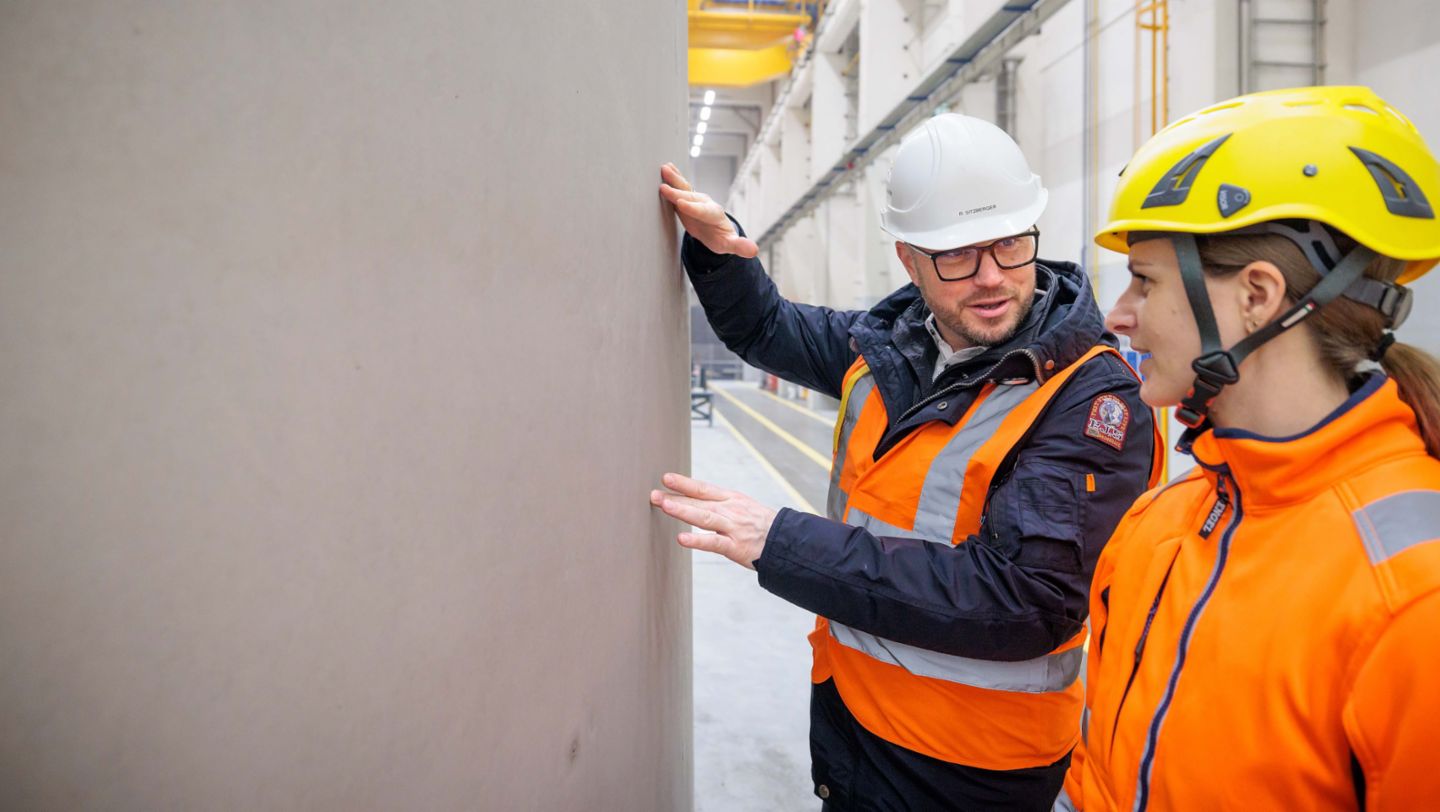
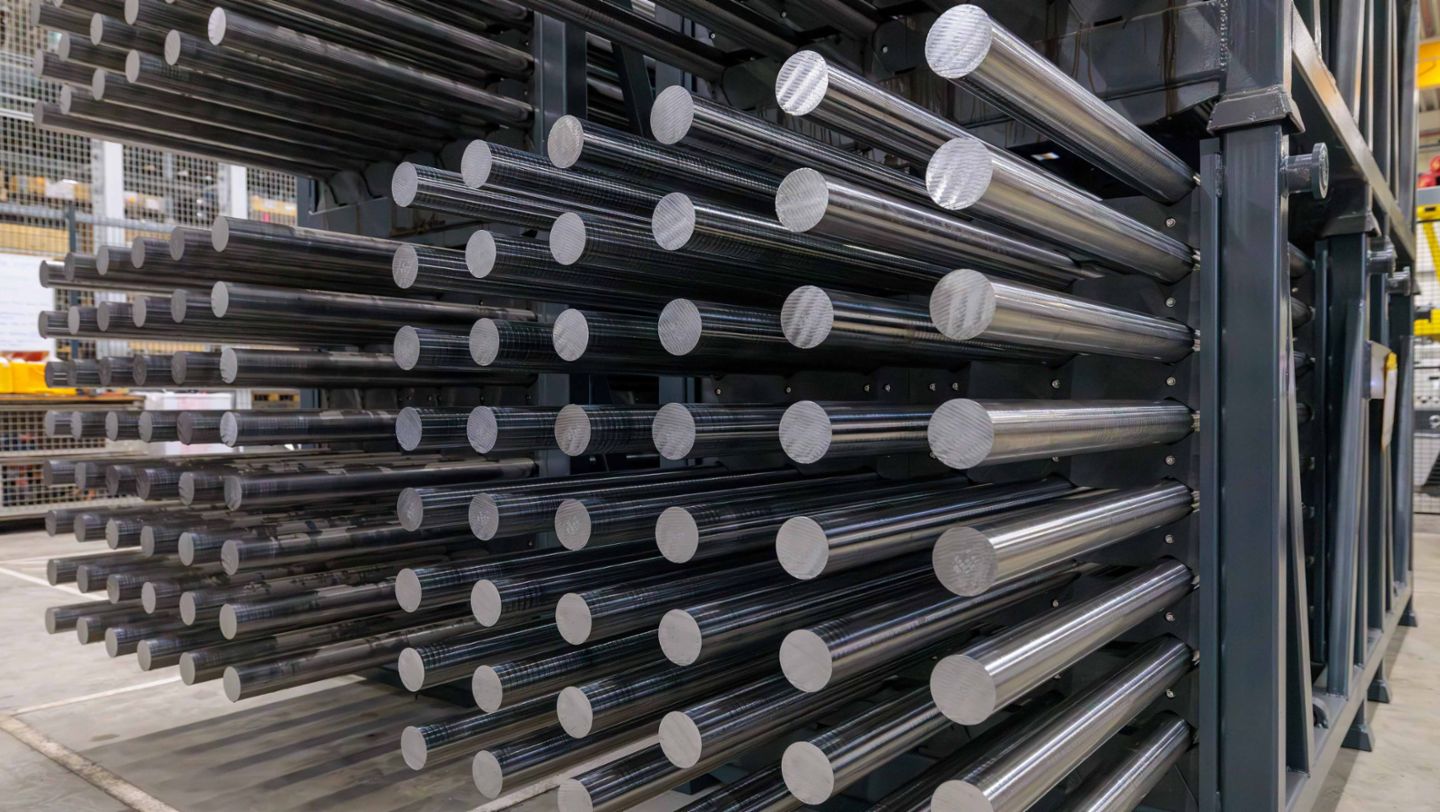
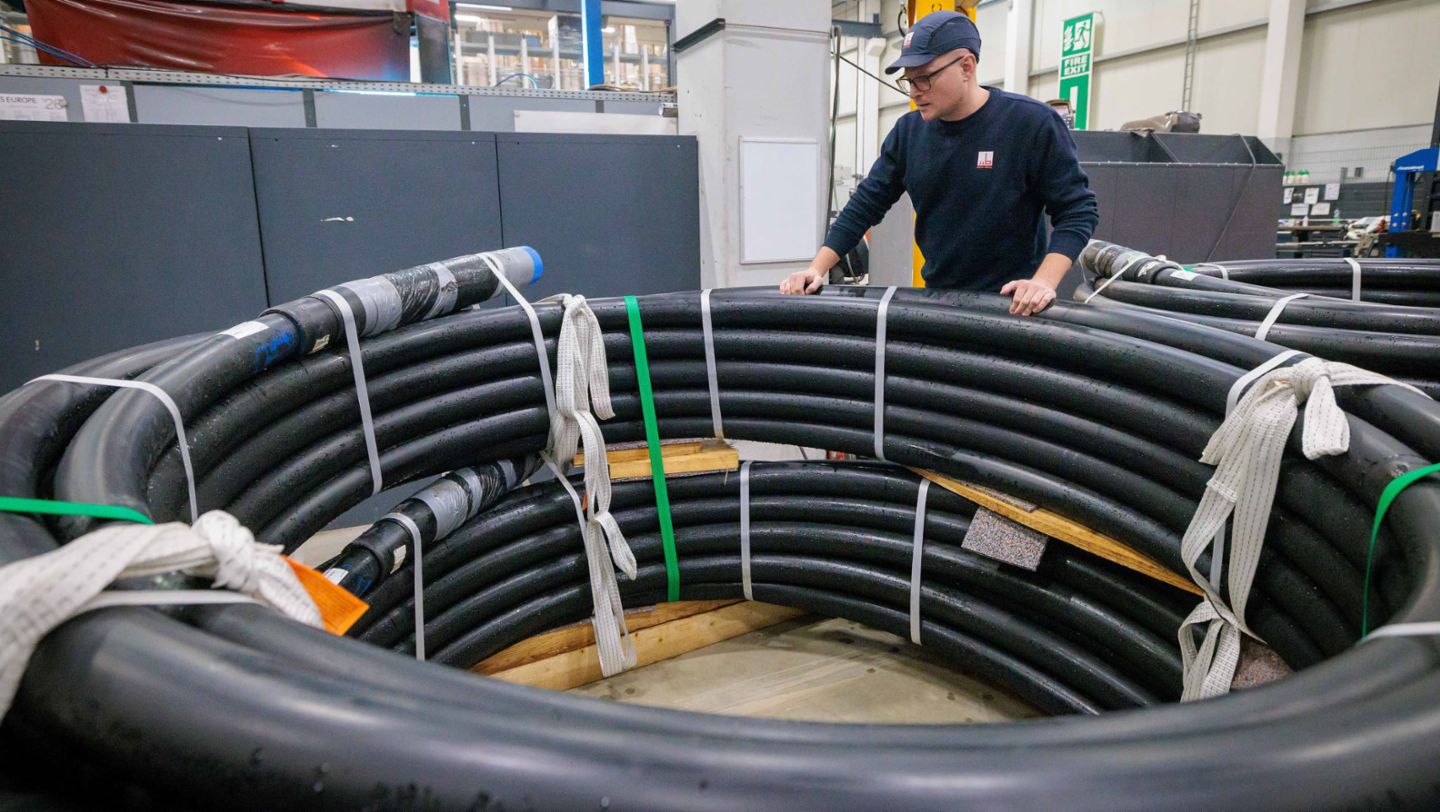
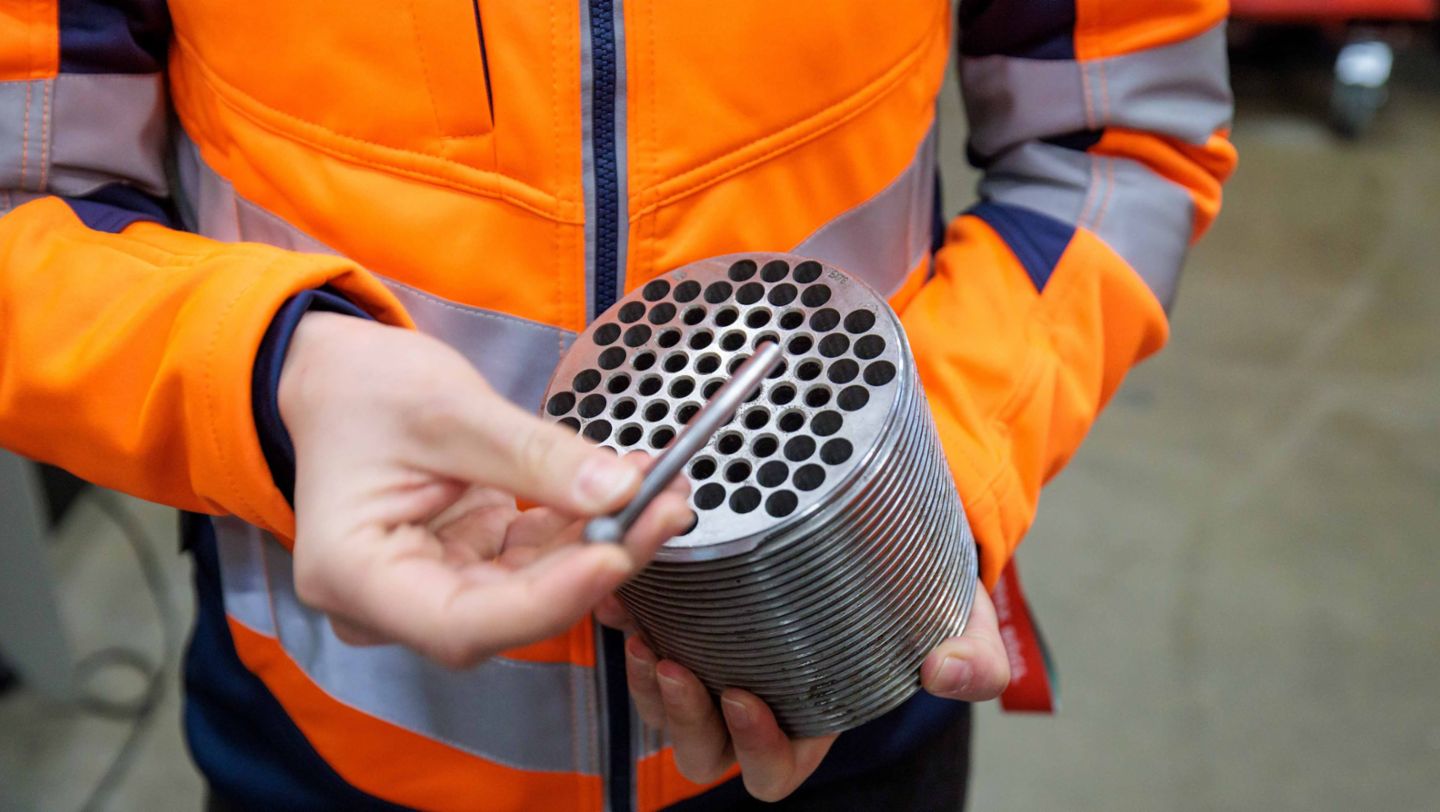
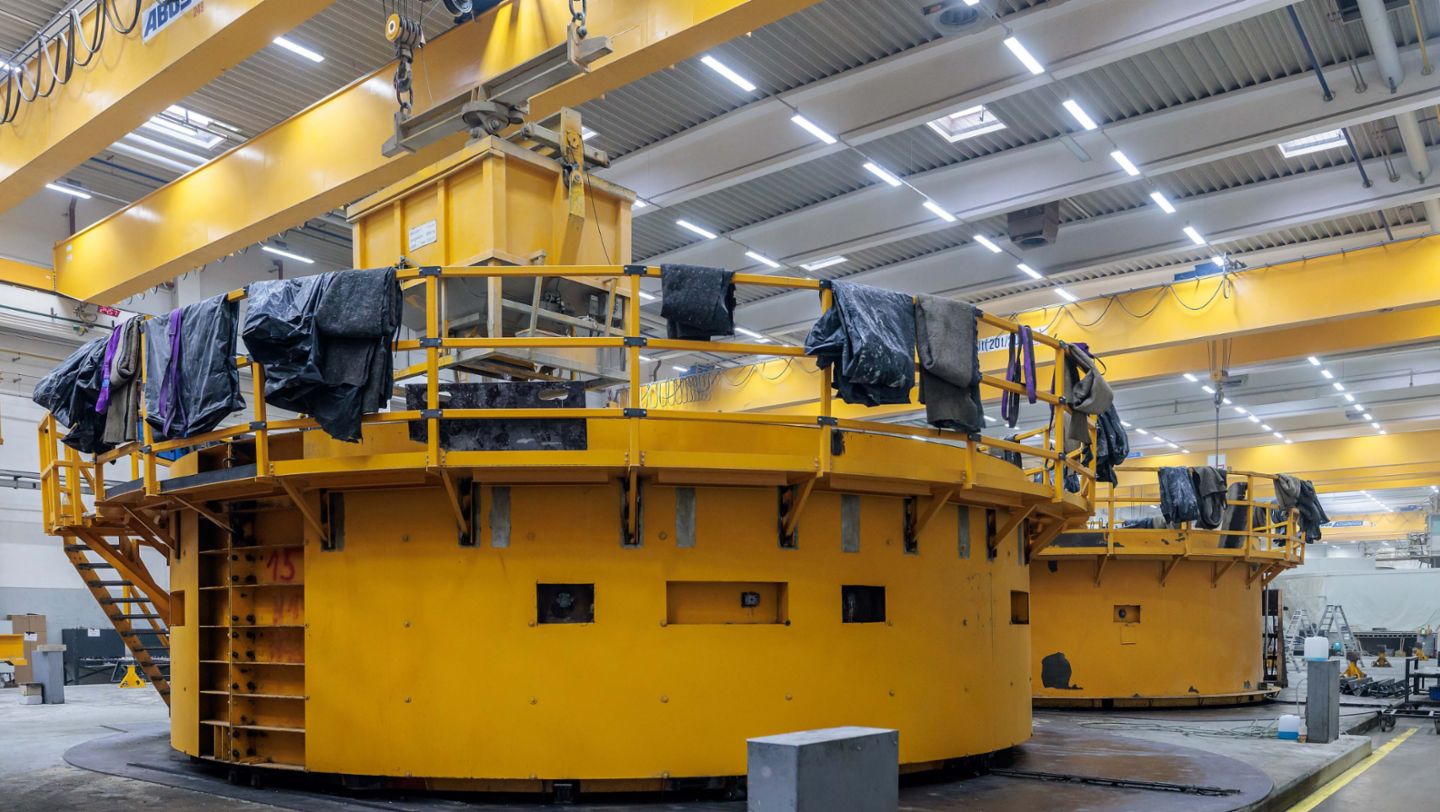
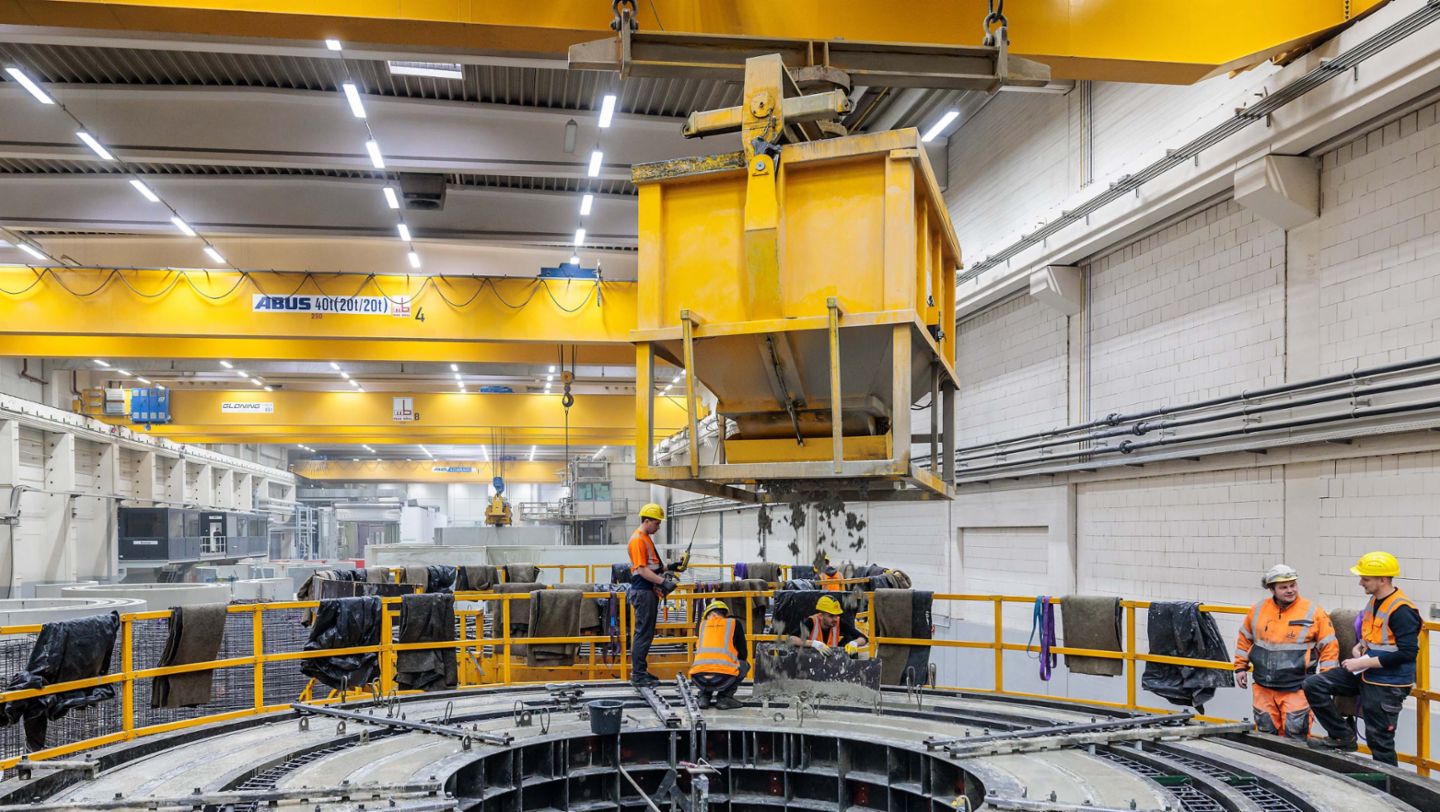
Producing more towers each year is by no means the only challenge faced in Sengenthal. Work continues on the trade secret – the successful concrete mix for wind towers. Lips remain largely sealed at the company headquarters regarding the top-secret formula. The aim is to reduce the cement content by using substitutes such as granulated slag – a waste product from the blast furnaces used in the steel industry. This helps to reduce the carbon footprint. Laboratories, research and development departments, and universities are all involved in the relevant testing, in which safety requirements and durability play a key role – as does compliance with all the conditions for regulatory approval.
Never resting on its laurels, breaking new ground and inspiring customers with promises that are precisely fulfilled – this perfectly captures the culture that sets Max Bögl apart. Open-minded thinking, minimal bureaucracy, short lines of communication and swift decision-making are essential prerequisites for this. “The great advantage of a family-run business is that approvals, for example for major investments, can be granted quickly without going round in circles,” highlights Stefan Braun, Commercial Director at Max Bögl Wind. He can certainly make good use of this speed and agility. Max Bögl Wind AG is set to grow; the former start-up already employs more than 1000 people. Additional specialists are needed to meet demand. The energy transition is in full swing. “Reliability towards our clients is our top priority,” says Braun, pointing out that the wind power market consists of just a few major players. “That’s why for us, every single customer truly counts.”
A Clear Sense of Direction
Commentary by Roland Sitzberger, Partner at Porsche Consulting
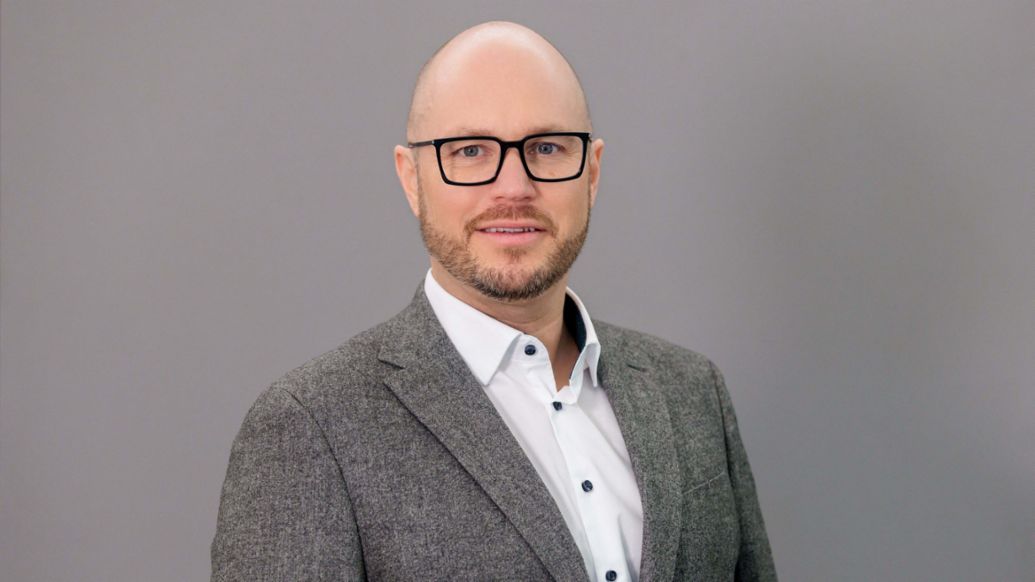
To me, Max Bögl Wind is like a finely tuned orchestra: the strategy sets the tempo, and the teams come in with precision. The result is a performance that carries far beyond the stage. What impresses me most is the combination of long-term vision and a practical, down-to-earth mindset. The people at this family-owned company look ahead with confidence, guided by a clear sense of direction. At the same time, they move forward together, never in isolation.
That creates momentum instead of resistance. Obstacles become smooth curves to navigate, while opportunities turn into straightaways where speed can be gained. It's exactly this mindset that continues to propel Max Bögl Wind to the forefront of the industry. This is about more than building wind farms – it's about building trust through integrity, reliability, and a shared commitment to achieving more together.
In short, it's a team that knows where it's going, picks up speed, and sets the standard for others to follow.
Info
This text first appeared in Porsche Consulting Magazine.