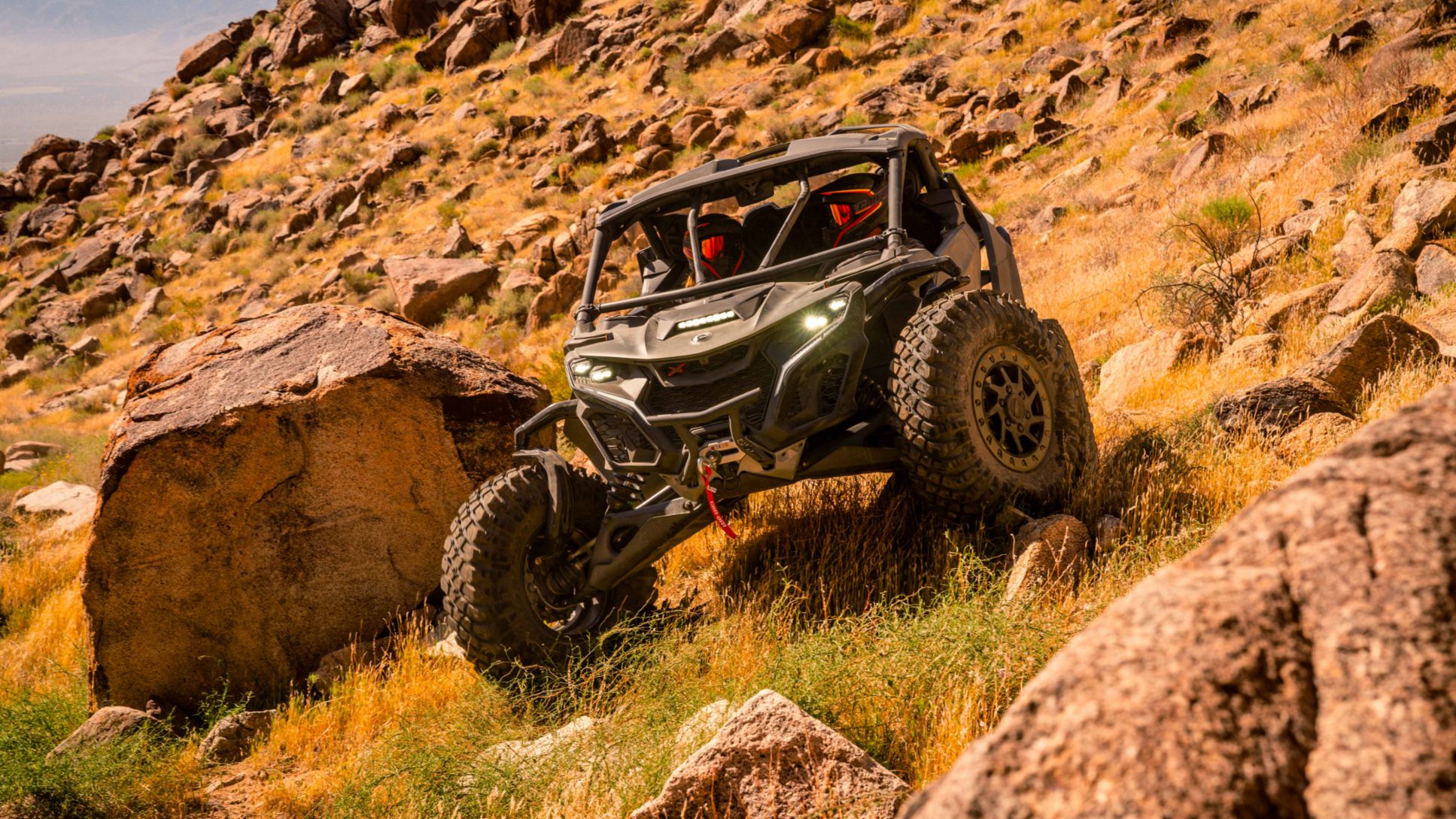
For Thomas Uhr, engineering has never been just a profession. It is part of his mindset and has been the foundation of a career that has taken him from the factory floor in Germany to the position of Chief Technology Officer at BRP, one of the world’s leading companies for powersports products and powertrains.
Responsible for the technologies behind BRP’s iconic brands such as Ski-Doo, Lynx, Sea-Doo, and Can-Am, Uhr combines deep engineering expertise with a hands-on approach to innovation, testing products himself, and staying closely connected to the feedback of the company’s customers.
In the interview with Porsche Consulting Magazine, he shares his perspective on the future of propulsion systems, the realities of electrification in powersports, and the importance of developing technology that delivers real value rather than chasing trends. He also explains how BRP balances innovation and efficiency across a diverse product portfolio – and why, even as a CTO, he still sees himself first and foremost as an engineer.
Mr. Uhr, in the automotive industry, every manager drives their own products to work. How is it at BRP? We imagine you riding on a Ski-Doo through the Canadian wilderness to your office. Right?
Thomas Uhr: Quite often, yes! From where I live, I can access the extensive trail network for snowmobiles here in Quebec. In winter, there are more trails than roads and they are well maintained. When it is not too cold, I ride my Ski-Doo or Lynx to work. It’s a 60-kilometer commute and takes about an hour and a half. And in the summer, I take our Can-Am electric motorcycle. For me, using our own products in daily life is essential to understanding and improving them. I also take product testing seriously – whenever a customer points out an issue, I want to experience it myself.
The whole engine world is in the middle of a transformation towards electric propulsion. What does that mean for BRP?
First of all, in my heart, I’m an engineer. And as an engineer, if there are challenges out there, this excites me. When things are moving there is an incredible opportunity to drive change. I see this as a challenge, not as a problem. It opens a lot of possibilities to differentiate. But you must be careful not to overestimate the speed of market development.
Can you be a bit more specific?
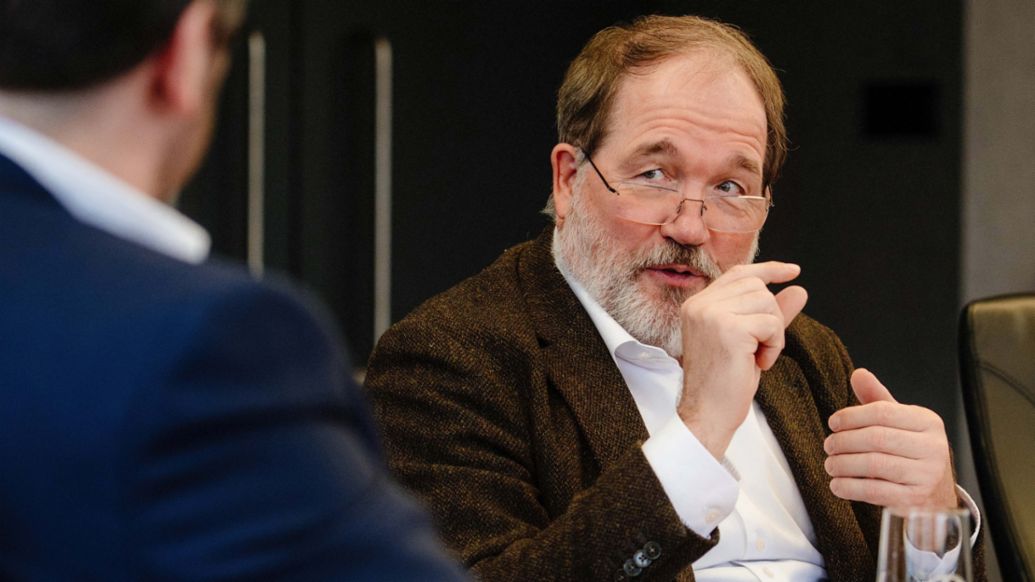
From the very beginning, we asked ourselves: What is the right approach to electrification at BRP? There are certain applications where electric is just the perfect solution, for example in urban or light mobility. But in powersports, it’s always about weight and dynamics. When you must accelerate, brake, or even fly, weight becomes critical. And we are not talking about SUVs with space for large battery platforms, but small vehicles that are very sensitive in weight balance. That means you need to make smart choices – where electric is the right solution, and where combustion engines or hybrid approaches make more sense. For us, hybrid or range extender solutions are very interesting, because they combine the advantages of electricity with the range we need for many applications.
The challenge is complexity and weight. Especially in applications like snowmobiles, where efficiency is low due to the low traction on snow. Today we compensate for that with lightweight and high-power combustion engines. With electric power, you quickly reach limits in size, weight, and infrastructure. So, for certain professional use cases – for example in remote regions – electric is not a solution yet. But for others it might be perfect: no emissions, no heat, no noise. Ultimately, we stay technology-agnostic. Every application requires a precisely designed propulsion system. Our approach is to build the capabilities, test solutions in the market, and then scale when demand is there.
Are you fascinated by electric propulsion and its fast innovation cycles?
I would disagree that innovation steps are faster on the electric side. There has been massive progress over the last decades as well in combustion engines. But the new opportunities electric motors offer from a design perspective are fascinating. If you don’t have one central engine but multiple motors and you can apply torque vectoring, you create completely different possibilities for vehicle dynamics. In our business, customers don’t buy products because they have to; they buy them for the experience.
You have a lot of experience in the automotive industry. How does vehicle production at BRP differ from larger automotive companies?
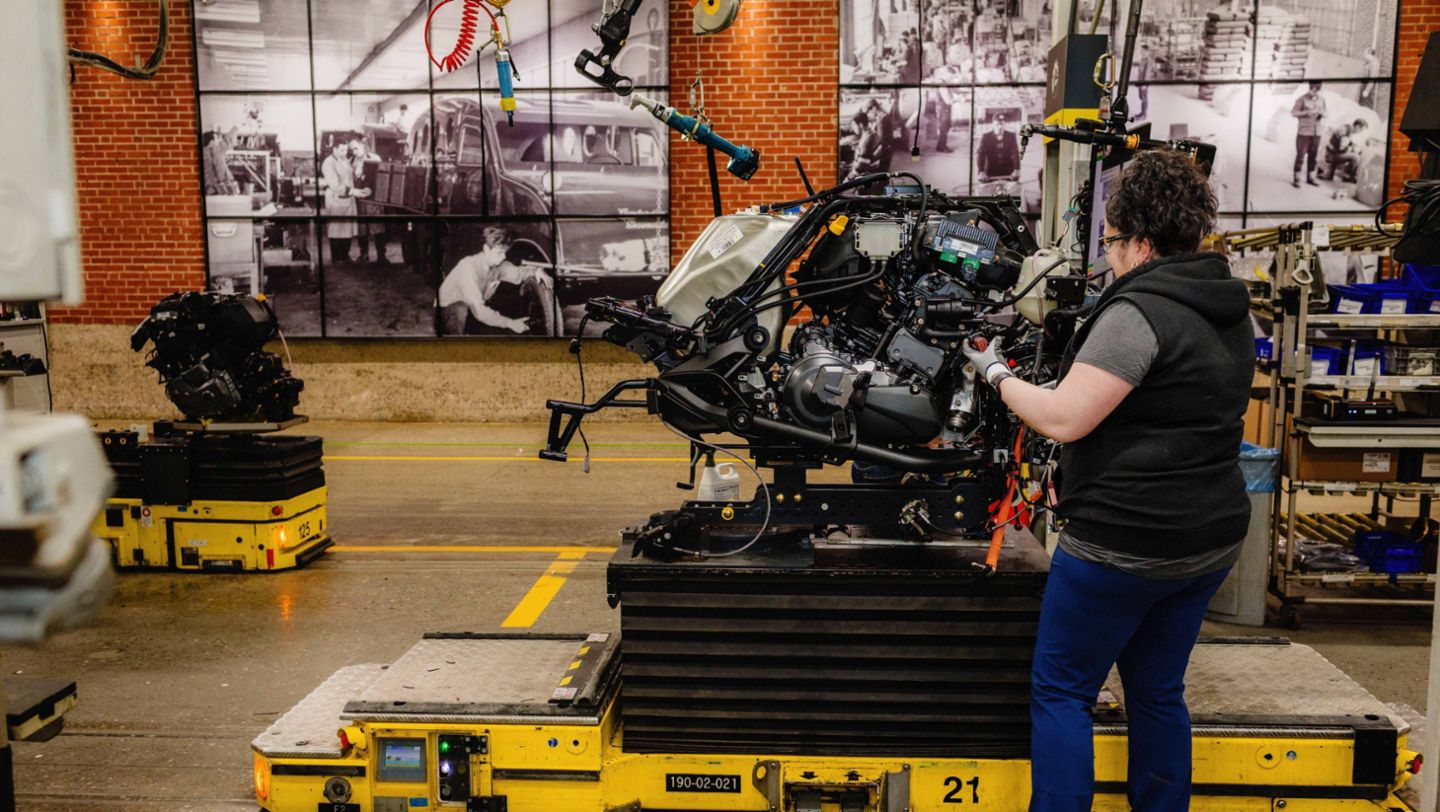
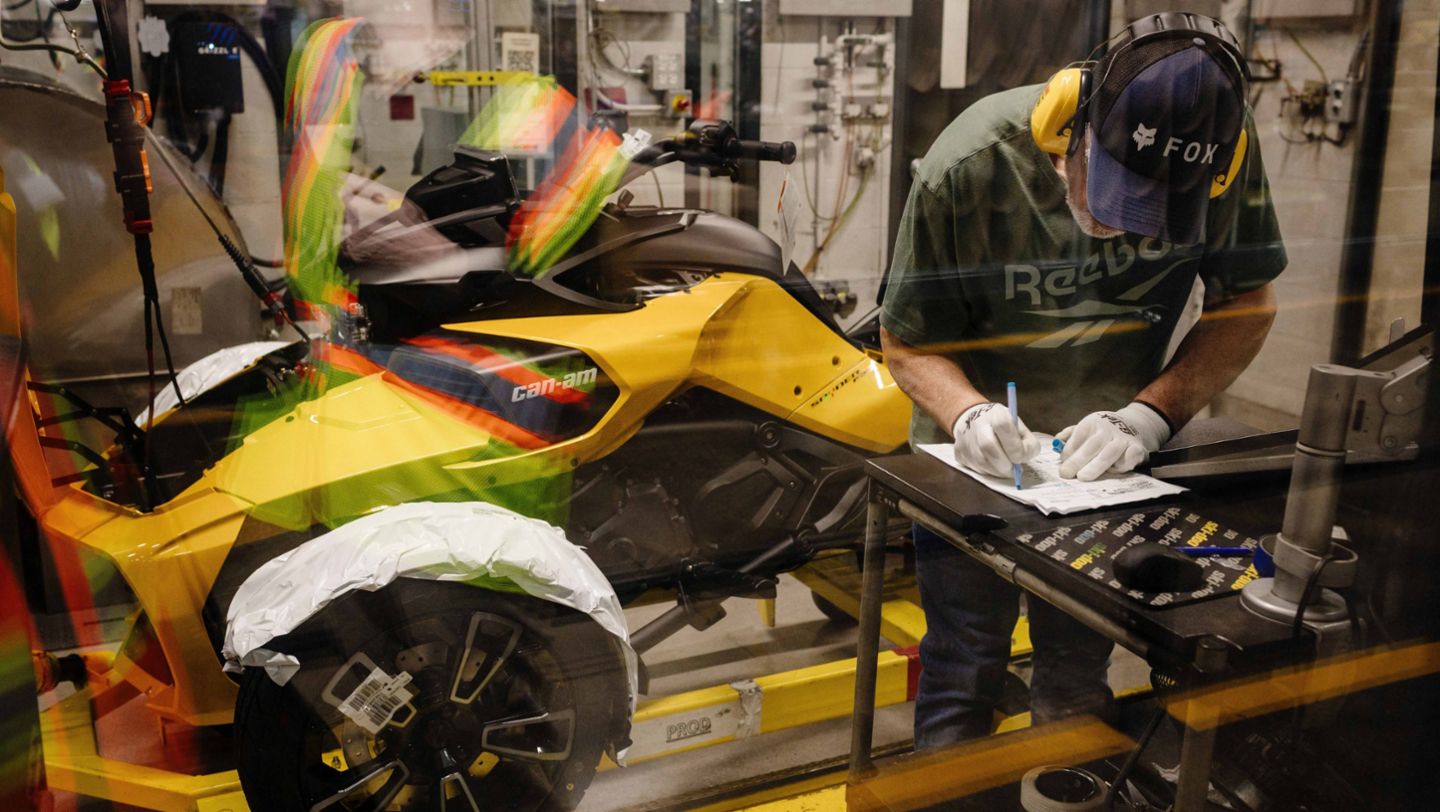
It’s very different. In a smaller company, you have full responsibility across the product, from the first idea to the result. That’s something I enjoy very much. And we have far less internal politics than large corporations tend to have. The energy you put in translates much more directly into results. This is an efficiency that I didn’t experience before. But at the same time, you stay humble, because the feedback is immediate – if we do something good, the company performance shows it. If we do something wrong, we see it immediately.
How do you turn customer feedback into competitive advantage?
You need to listen to feedback, process it, and really take it to heart. The most honest feedback comes from racing. If a solution doesn’t work, you see it immediately – sometimes in one weekend. What I love at BRP: Our engineers take ownership. If something doesn’t work, they fix it. Not because someone tells them to, but because it’s their product. In the end, every product is a compromise. The key is to find the best compromise for most customers – and that’s the real challenge.
What role does autonomy and AI play at BRP?
We already use AI-based autonomous driving in testing, especially in extreme conditions where we need to protect test drivers. But for our customers it’s less relevant. They buy our recreational summer and winter products mostly for fun, which comes through active driving.
Digitalization and AI are important for the development of products and on the data side for quality and service. But we are cautious. As an innovation leader, you cannot simply put your knowledge into open systems. AI is a powerful tool, but you still need to understand what is happening. Blind trust is not an option.
Is technological leadership the key to outperforming competition?
Technology is one of our key levers. But it must serve a purpose. We focus on useful technology, not on flashy features. When you look at the market, you see a lot of solutions that look impressive but don’t really help the user. We try to stay on the functional side. Experience shows that in the mid- and long-term, this is what customers value most.
Can technology make products more accessible for non-experts?
Not every customer wants to understand the technology in detail and that’s perfectly fine. Our responsibility is to deliver premium products in terms of reliability, and performance, regardless of the user’s technical knowledge. At the same time, technology can support safety and usability, for example by guiding users, limiting risks, or helping them stay within safe boundaries.
What is the next big innovation in power sports?
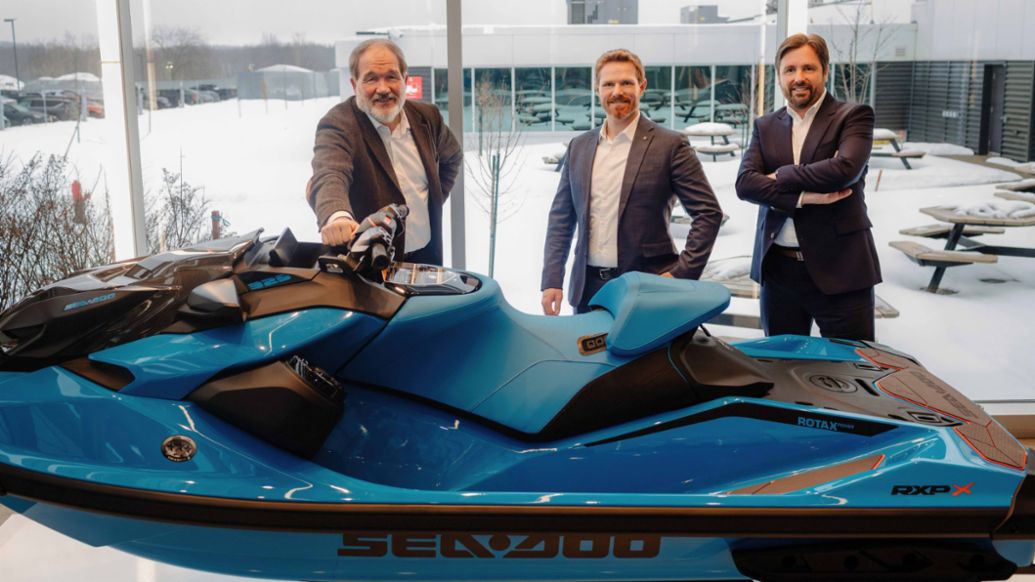
Let me tell you: There is a lot coming. We are investing heavily in R&D and working on both incremental improvements and completely new product categories. But as a publicly traded company, we need to protect information. So, I cannot go into details here.
What technological breakthrough would you personally wish for?
A battery that is both lightweight and affordable – that would make a huge difference for electrification. And affordable sensor technology to bring advanced safety features into volume products faster.
How do you manage innovation across a broad portfolio?
You need strong processes and a solid product development system – otherwise complexity gets out of control. Platform thinking is critical when you manage a broad product portfolio. We use engines, electric powertrains, and modules across multiple applications. At the same time, you need to balance standardization and differentiation. If you standardize too early, you lose innovation; too late, you waste resources.
Do you still work as an engineer yourself, making inventions?
I still bring in ideas, but I’m careful not to push them just because I can. If people don’t pick them up, I step back. But when I can contribute to a solution, that’s personally very rewarding for me. I think it is important for managers to stay closely connected to the work. I believe that you need to understand what your teams are doing – otherwise you depend too much on presentations instead of reality.
How did you build your career across industries and countries?
I always did what I enjoy doing. And I was always lucky to bring something to the table – technical know-how, management experience, or a different perspective. Curiosity and energy help you bring positive impact to teams and organizations.
Vita: Thomas Uhr
Engineer at Heart
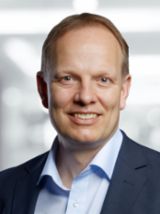
Thomas Uhr is CTO of BRP, a global leader in the world of powersports products and powertrains. He began his career as a trained machinist in Germany before studying Mechanical Engineering. After 20 years in the European automotive industry (including at Daimler), he joined BRP via its engine subsidiary Rotax in Austria. There, he was responsible for developing the powerful and lightweight engines that power BRP’s Ski-Doo and Sea-Doo products, Can-Am side-by-side vehicles, and aircraft applications. He lives near the company’s headquarters in Valcourt, close to Montreal, Canada.
Info
Text first published in Porsche Consulting Magazine.