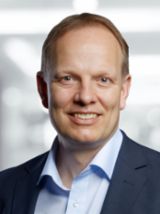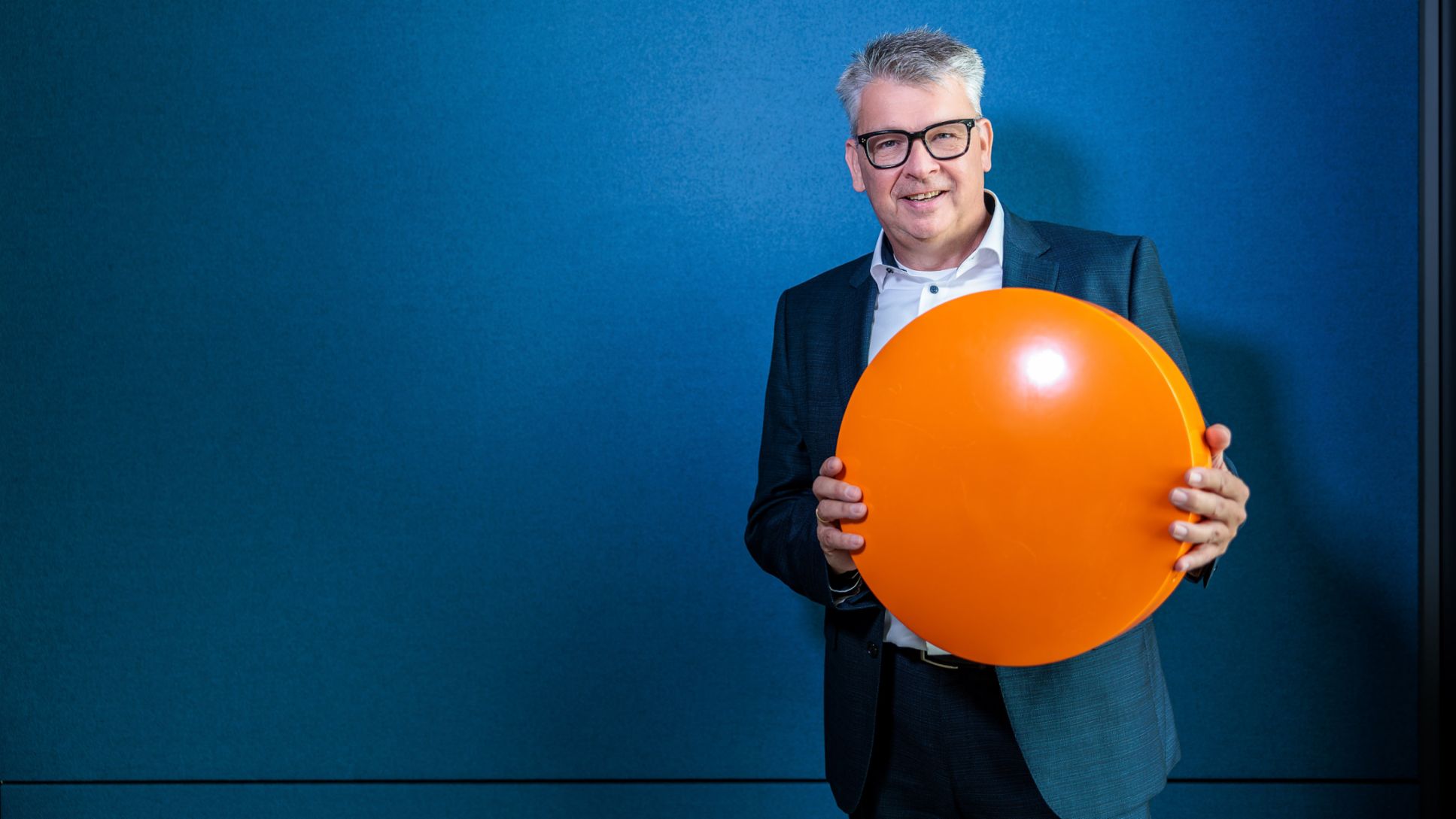
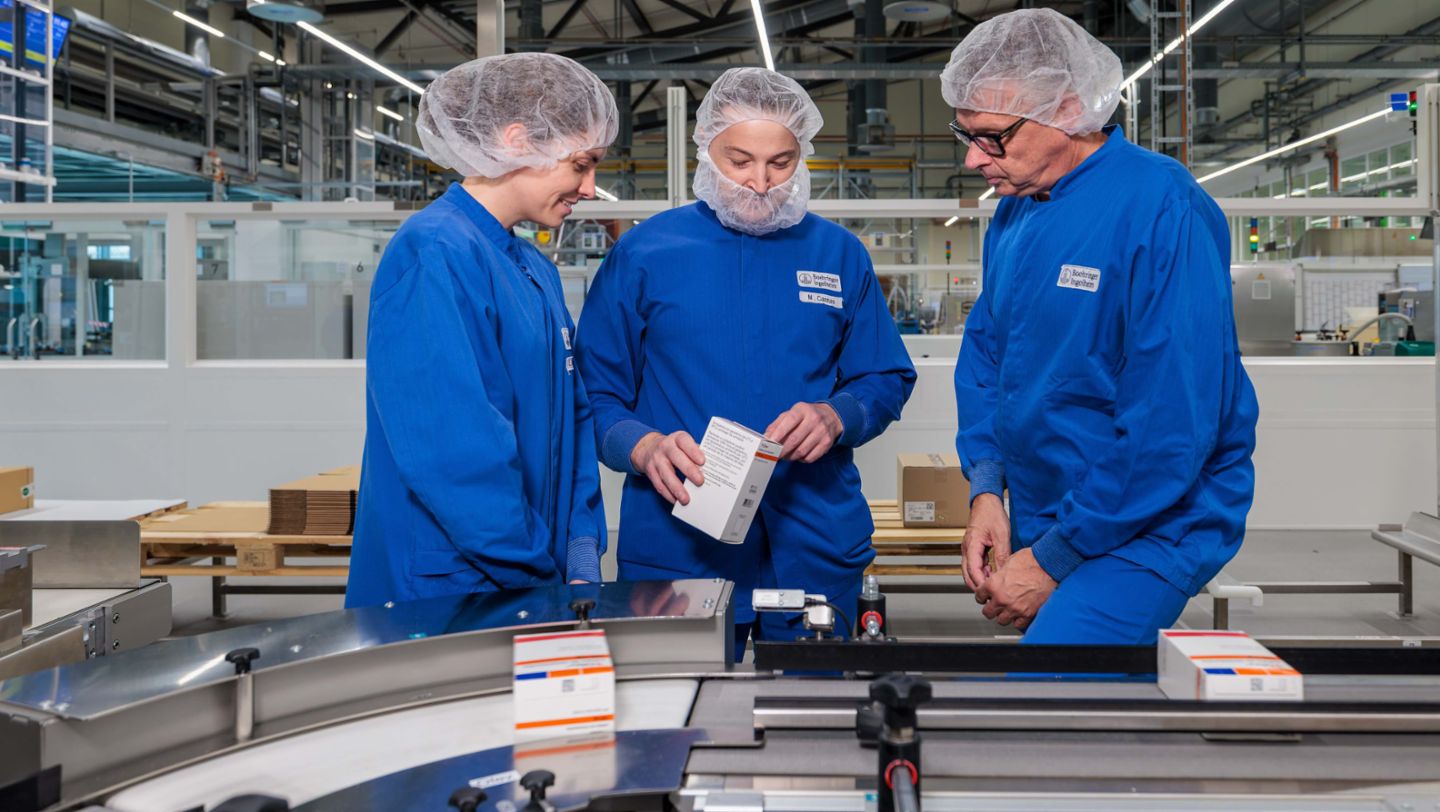
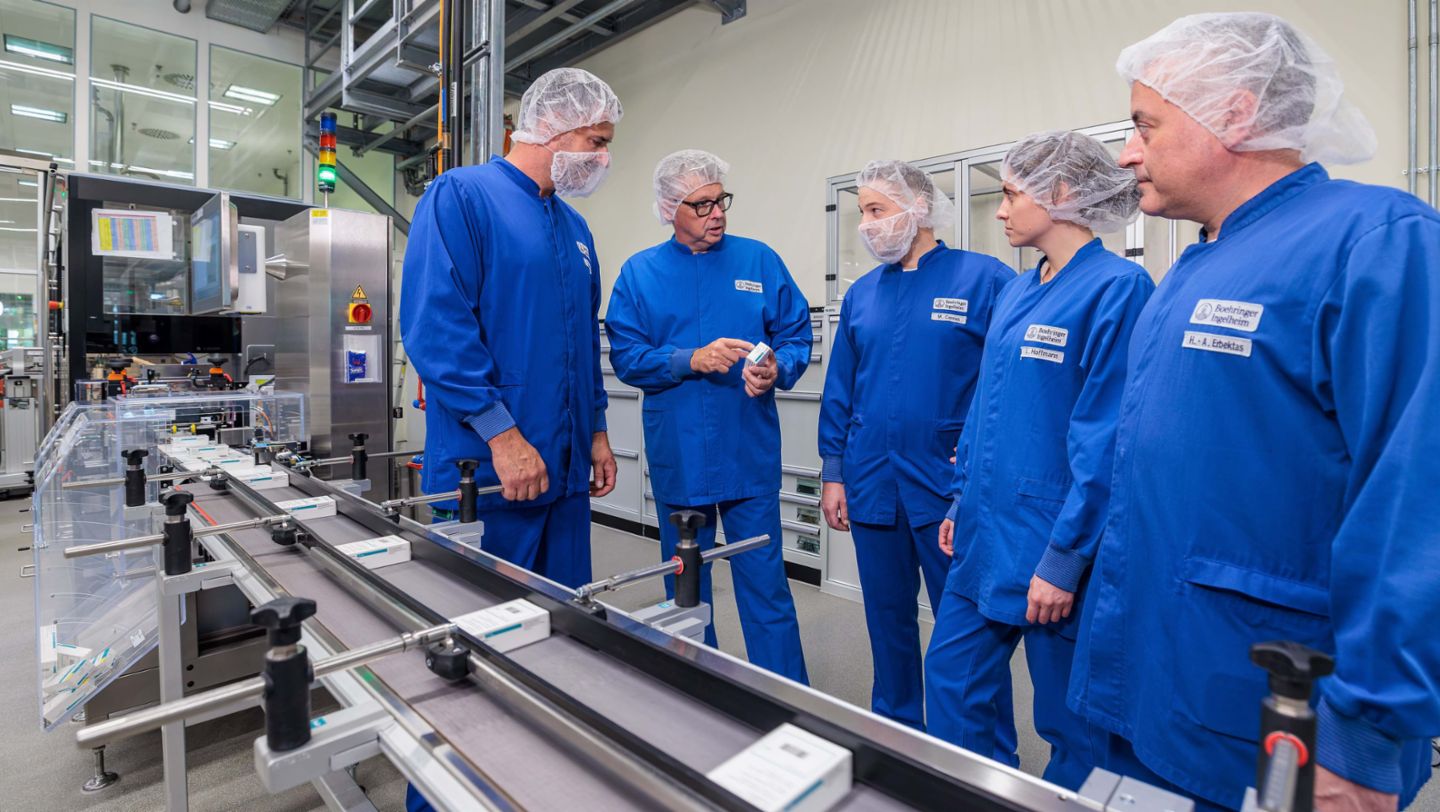
When Dr. Peter Comes wants to meet some of his employees, he has to register first. Then he finds himself in front of a strictly controlled airlock. Time to change! The changing room provides carefully disinfected workwear – a white T-shirt, a tunic and pants made of blue cotton, a belt, and spotless special-purpose shoes. Everything is buttoned up to the top. A white protective cap covers the head. Anyone with a beard also gets an additional protective net for the face. One final check, and let’s go.
We are in the cleanroom, where tablets are manufactured by German pharmaceutical company Boehringer Ingelheim – a family-owned global corporation. And Dr. Comes, our host, is Senior Vice President, Head of Human Pharma Supply & Global Quality. In these highly controlled production areas, everyone looks remarkably the same from the outside, thanks to the strict head-to-toe dress code.
“Same” is a word that occupies Comes on nearly every working day. Of course, the idea is not to make all people identical. But when it comes to Boehringer Ingelheim’s human pharmaceutical plants around the world, the head of production and quality strives for the greatest possible consistency. He likes to describe all the sites in the network together as “one single superfactory” – a meticulously designed and synchronized system down to the last detail. That applies to equipment, processes, and standards, as well as to the mindset of the specialists working there. “Every employee,” Comes says, “should be able to find their way around immediately at any site in our production network because they always encounter the same system.”

Real time matters across the network
As a company with a long tradition, Boehringer Ingelheim continues to operate production facilities at its headquarters in Ingelheim am Rhein, a southwestern German town of 35,000 people. But in the strategic vision of the superfactory, all plants worldwide are part of an interconnected, cross-border production network. There are good reasons behind the concept: industrial production, including in the pharmaceutical industry, has reached a major turning point. Economic conditions are changing dramatically. And this transformation has many dimensions around the world that companies need to monitor closely.
“Political restrictions, for example, can prevent certain technologies from being transferred from one economic region to another. Developments like these pose complex challenges for a global setup,” says Comes. Boehringer Ingelheim wants to help prevent drug shortages while retaining the flexibility to respond to global crises. One of the key tools for achieving this is the global network. Rather than having individual production sites work on issues in isolation, the network uses modern cloud systems based on common data standards to share knowledge, capacities, and processes across national borders. And it does so in real time.
Multidimensional change
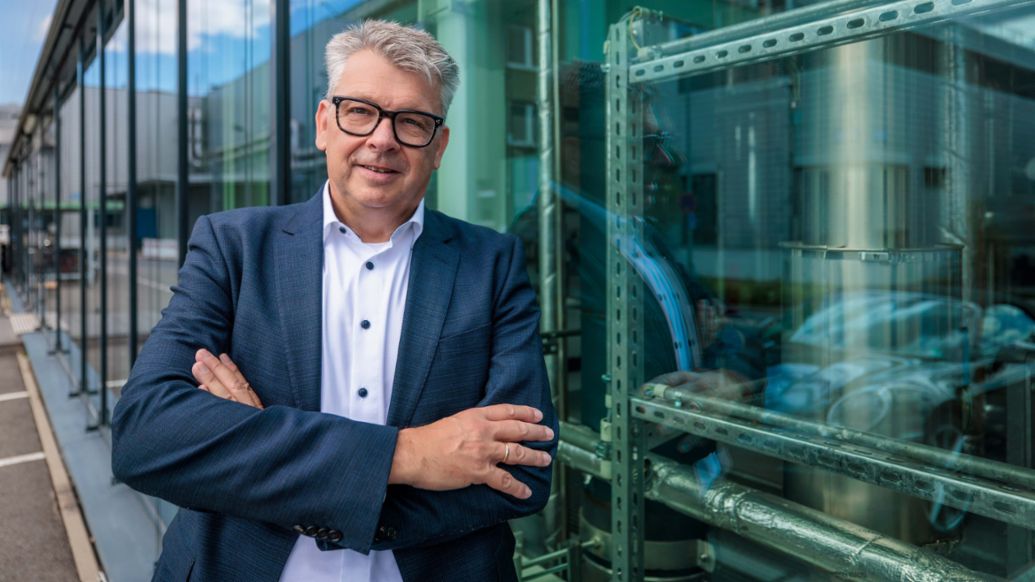
To ensure all this remains viable for the future, the company continuously invests in its production operations around the world – from modernizing older facilities and expanding capacity to acquiring advanced manufacturing and synthesis technologies, most recently with the construction of the New Hydrogenation Plant for chemical active ingredient production at the Ingelheim site. “We need to make sure that we have full command of the technologies ourselves, both in production and supply. Today, we can no longer afford to depend on certain markets. We need to master these technologies well enough to transfer them anywhere within our production network,” says Comes. The head of production and quality has worked for Boehringer Ingelheim for 35 years. Today, he faces entirely new challenges for his industry: “What we are currently experiencing is multidimensional, extremely rapid change driven by external forces. That leaves us very little time to respond appropriately.”
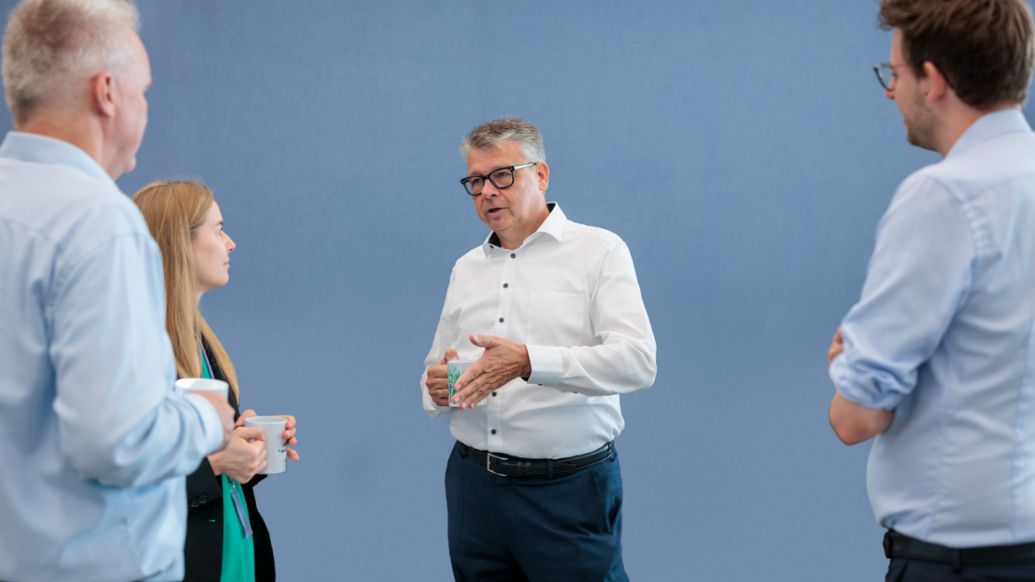
Like all research-based pharmaceutical companies, Boehringer Ingelheim strives to continuously provide people with new therapies so it can finance the innovations of tomorrow. This pressure arises simply because product patents expire, allowing generic drug manufacturers that do not conduct costly research to offer lower-priced versions of successful medicines. “For us, new medicines often mean new technologies in production as well,” says Comes. He adds: “Our pharmaceutical business is highly dynamic. We want to bring innovative therapies to the people who need them faster and faster. At the same time, development projects can sometimes take longer than expected.” That is why he relies on “flexibility, short decision-making paths, and agility.” To achieve this, the head of production and quality needs teams that are open to change and adaptable. “That,” Comes says, “is not something I can simply mandate. It has to be explained well. People want to understand why things need to change.”
© Porsche Consulting/Marco Prosch
© Porsche Consulting/Marco Prosch
Transfer is what matters
The program is ambitious: “Our approach is to have such a strong command of the technologies within our production network that we can easily transfer them to different countries. This is particularly important for the pharmaceutical industry because transfers are part of our everyday operations,” says Comes. In practice, this means standardized processes and equipment worldwide, so the production network can be managed across all regions. Comes gives an example: “We will continue to launch new products from a single site, such as Germany. But the goal will not be to supply the entire world from Germany. Instead, we will transfer production to our individual sites around the world as quickly as possible. This allows us to ensure regional supply regardless of geopolitical developments. And because we have the same setup everywhere, we can do this quickly and maintain the same level of quality. We can industrialize our products so robustly that we can leverage the benefits of these processes across all our plants.”
Boehringer Ingelheim also uses the potential and expertise available at its home base to support transfers to international sites. “For us in Ingelheim, this step involved a kind of shift in mindset,” Comes explains. “Our job in Germany is not just to industrialize new processes at home and make them robust. We are also responsible for successfully transferring these approaches to our colleagues at our international sites.”
Vita: Dr. Peter Comes
From doctoral candidate to global manager
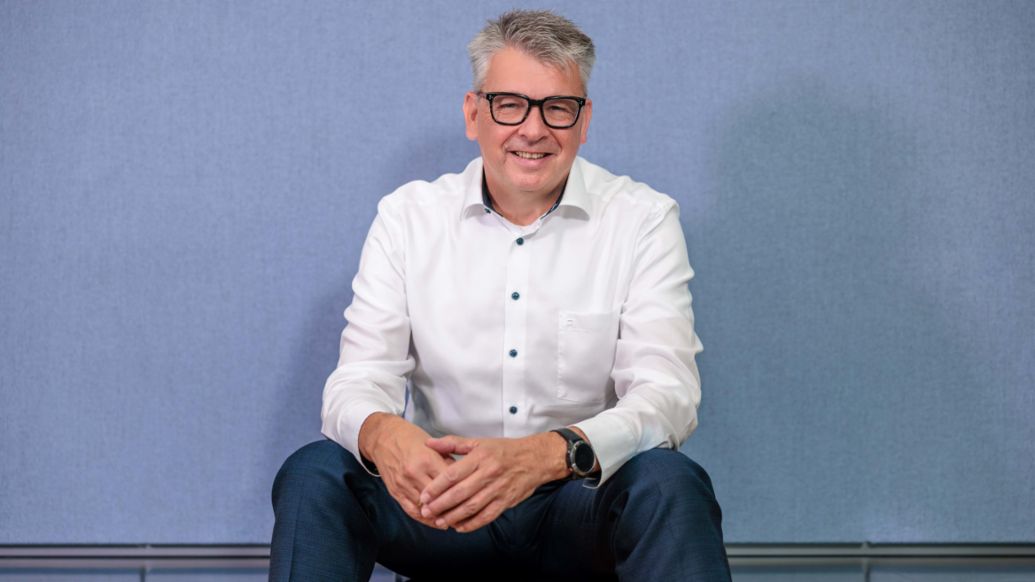
Dr. Peter Comes graduated from the Technical University of Berlin with an engineering degree in biotechnology. He earned his doctorate in 1995. He wrote his dissertation in collaboration with the Biological Research department at Boehringer Ingelheim and has remained with the pharmaceutical company ever since. As Corporate Senior Vice President, he is responsible for Human Pharma Supply and Global Quality. In previous roles, he served as Technical Operations Manager for pharmaceutical production and Head of Tablet Production at the company’s headquarters in Ingelheim am Rhein.
Savings that make sense
Still, the pharmaceutical company does not intend for every site to do everything and cover the entire product portfolio. “In Greece, we specialize in tablets, in Spain in aseptic products, and in California in biotechnology. But if I use largely identical technologies everywhere, I also achieve consistently high quality,” says Comes, who also likes to describe such standards in procurement and operating costs as “smart sources of savings.” He is aiming for the “global optimum,” but not at any price. “This is not about squeezing the last cent out of our production. It is always a matter of balancing several factors: high quality standards, delivery reliability, and cost optimization.” Delivery reliability is particularly important: “We want our medicines to be immediately available to patients, wherever and whenever they need them. We make that promise every time we bring a product to market. And we are also a little proud that our delivery reliability stands at 99.9 percent,” says Comes. It is another figure that Boehringer Ingelheim aims to maintain through its global manufacturing network.
Portrait: Boehringer Ingelheim
Innovations for longer lives
Boehringer Ingelheim is a family-owned biopharmaceutical company active in human pharmaceuticals and animal health. As one of the largest investors in research and development, the company, founded in 1885, focuses on developing innovative therapies in areas with high unmet medical needs – achieving pharmaceutical breakthroughs that increase survival rates and improve quality of life. Boehringer Ingelheim employs around 54,300 people in more than 130 markets worldwide.
In 2025, the pharmaceutical manufacturer generated net sales of 27.8 billion euros and reached around 70 million patients. Key milestones during the year in human pharmaceuticals included the successful launches of two new medicines for lung cancer and pulmonary fibrosis. “Our well-positioned pipeline puts us in a strong position to continue making important contributions in major disease areas and provide innovative therapies to more people than ever before,” says Shashank Deshpande, Chairman of the Board of Managing Directors with responsibility for the Human Pharma Business Unit at Boehringer Ingelheim.
Info
Text first published in Porsche Consulting Magazine.