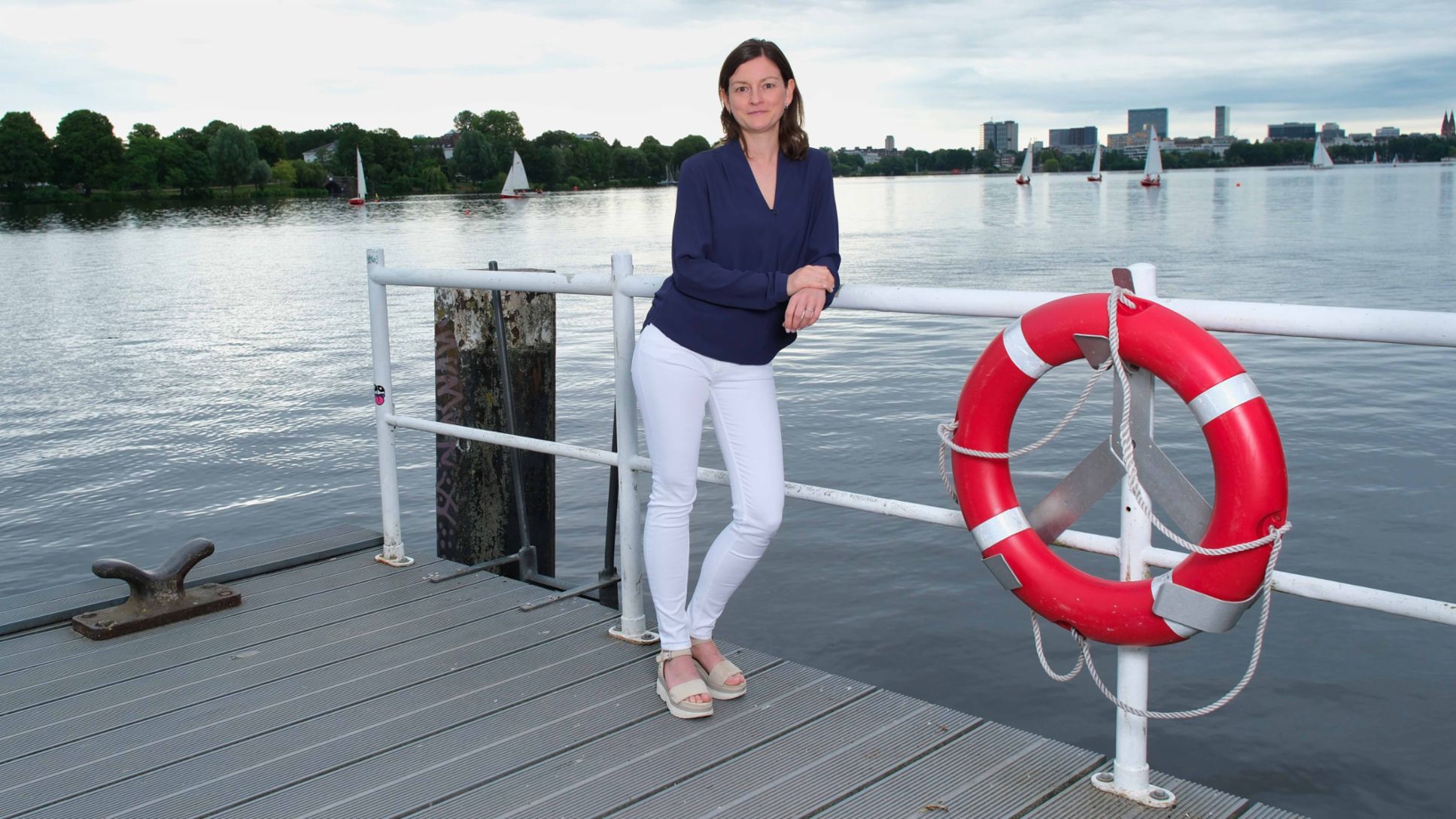
How quickly things can change: not long ago, the HR departments of most large companies were investing considerable time and effort in topics such as employer branding and recruiting talent for hard-to-fill positions. Now, the focus is on completely reshaping the organization. HR leaders and their teams are moving into the spotlight and taking on a very different role. “It starts in the boardroom. Then it continues with the HR business partner,” says author Nicole Beger. As a management consultant at Porsche Consulting, the HR expert has first-hand insights into large companies across a wide range of industries.
The pressure to act is enormous: the challenging economic environment and volatile global situation are forcing most companies to make cuts and, in some cases, radically rethink their approach. And all this is happening in the midst of a major technological transformation that was necessary anyway. Almost everywhere, attention is turning to the workforce: Which tasks will still be performed by people in the future? Does the workforce have the skills required? Where does excess capacity need to be reduced? Is the prevailing corporate culture standing in the way of achieving strategic goals? Suddenly, one function is taking center stage in many board meetings: Human Resources. This has consequences: HR needs to reposition itself quickly and redefine how it sees its role. On the operational side, HR business partners are now more important than ever.

From administration to the cockpit
Few functions have gained as much importance in recent years as HR. Once a supporting administrative unit, it has become a key strategic function that now takes the lead on issues such as workforce transformation, AI readiness, leadership excellence, and cultural change. This shift is also changing the role of the executives responsible for Human Resources at board level. They are no longer guardians of processes, but strategic co-pilots to the CEO and CFO – sharing responsibility for value creation, adaptability, and the future of the entire company.

At transportation and logistics company Hapag-Lloyd, headquartered in the northern German city of Hamburg and employing 19,600 people in 139 countries, Executive Board member Donya-Florence Amer demonstrates what matters now. The Chief HR Officer says: “One of my first priorities was to significantly strengthen the role of our HR business partners and raise their visibility across the organization. Their expertise, their proximity to the business, and their experience are critical to making sound people and transformation decisions together with top management.” Donya-Florence Amer has made the new direction clear to her team: “Today, HR goes far beyond administration. A modern HR organization plays an active role in shaping corporate strategy. It creates the conditions for transformation, strengthens leadership and the organization, and in doing so makes a measurable contribution to value creation. To achieve this, HR must act as a strategic partner to the business on equal footing.”
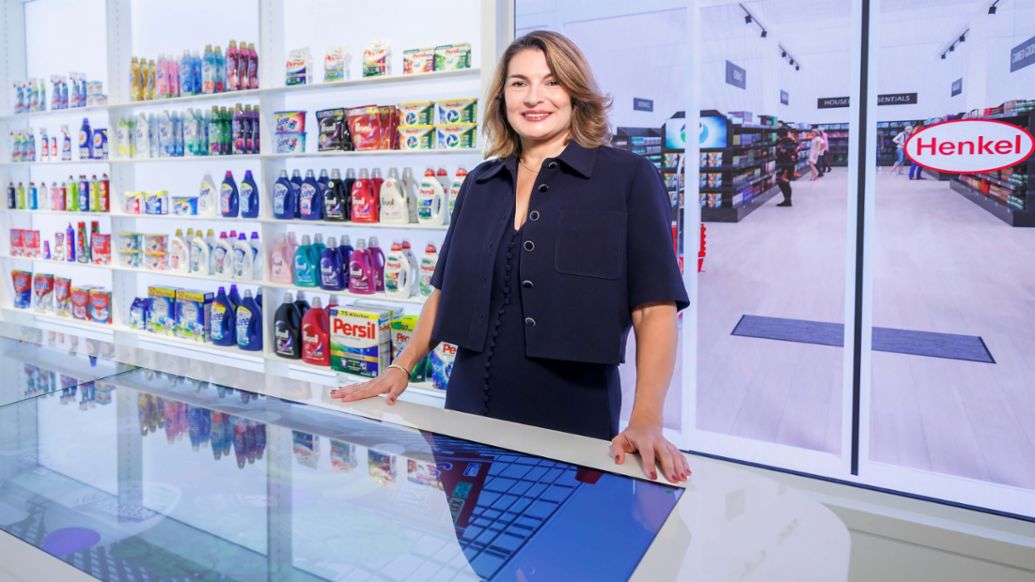
German consumer and industrial goods company Henkel takes the same view. “If we want to remain competitive in the future, as a company we need to change continuously – that starts with our organizational culture, but ultimately encompasses each individual,” said Sylvie Nicol, Management Board member responsible for HR at Henkel, in an earlier article in Porsche Consulting Magazine. There’s no doubt in this top manager’s mind that personnel matters will play a key role in the company’s transformation. She notes that nobody at Henkel can avoid change. But at the same time, nobody needs to fear it – because far-reaching changes will have positive consequences and make everyone more equipped for the future.
Aligning HR with a clear purpose
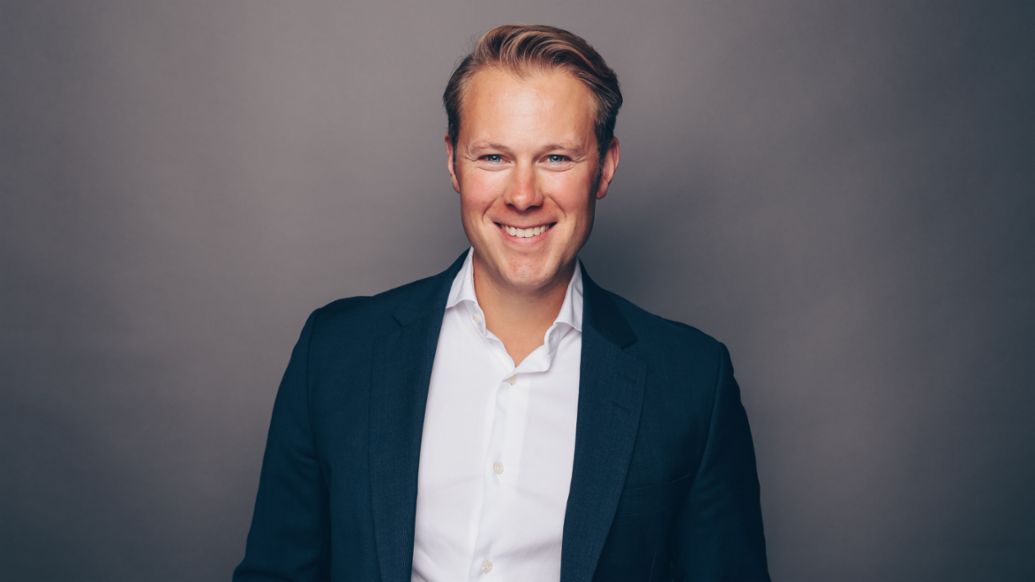
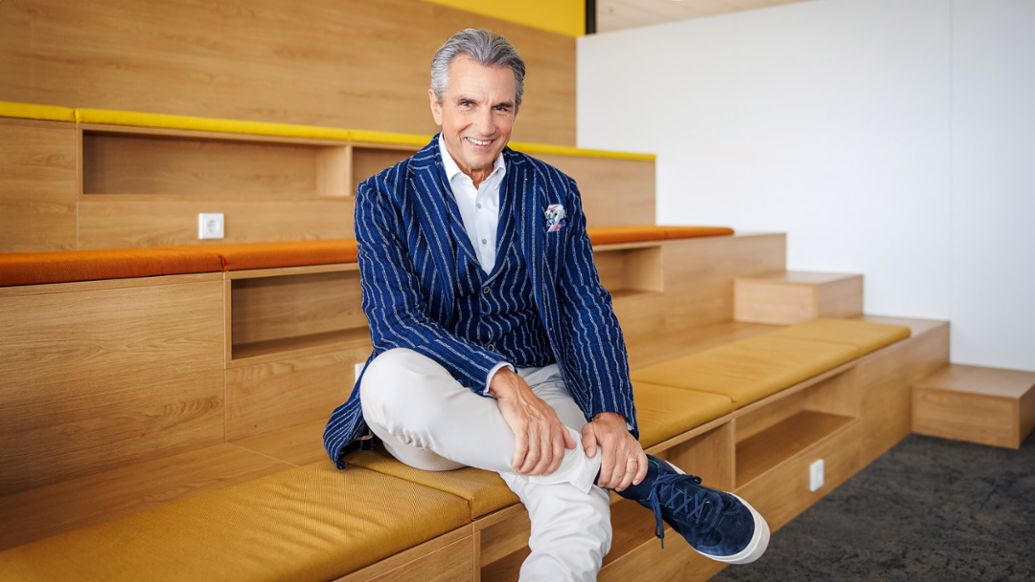
Jan Phillip Liebig, Head of HR Strategy, People Analytics, Digital HR & Health at Signal Iduna, an insurance and financial services company, sums it up in one concise sentence: “The real lever is to consistently align HR with measurable value for the business.” This requires a great deal of tact as well as the necessary respect. For Uwe Schöpe, Chief HR Officer and Work Director of the Zurich Group Germany, HR is now the crucial link between the workforce and management. That calls for a particularly strong backbone. Schöpe explains this in terms of his dual role: “If I come across something that I am unhappy with in my role as Work Director, I can take this to the board meeting as Chief HR Officer and simply say to the committee: No, we can’t do it like that.” Schöpe acknowledges that this requires a CEO who supports this kind of culture.
Porsche Consulting’s work with clients points to one clear conclusion: strong HR executives strengthen their teams, particularly the HR business partners. They are the strategic link between the HR vision and business reality. Any company that takes crisis management and transformation seriously needs to clearly define this role. Clarity about competency profiles. Clarity about expectations. And above all: clarity about investment. Today, an underqualified or undervalued HR business partner is no longer an opportunity to cut costs, but a strategic risk.
Info
Text first published in Porsche Consulting Magazine.