- World premiere: the new Porsche 911 Turbo S – the all-rounder among sports cars is more powerful than ever
- Innovation: Porsche Wireless Charging makes charging electric cars more convenient than ever before
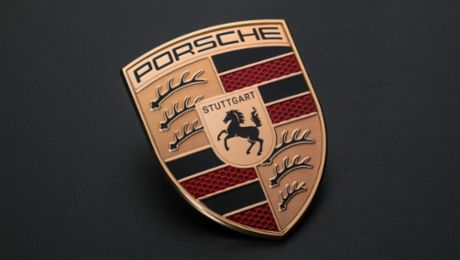
- Event space for the whole family: a giant Porsche crest dominates the brand’s presence at the Open Space
Porsche is presenting the new flagship of the 911 series in Munich: an innovative twin-turbo powertrain with T-Hybrid technology makes the new Turbo S the most powerful production 911 of all time. The sports car combines outstanding performance with a high degree of exclusivity, long-distance comfort and unrestricted everyday usability.
Porsche will also be showcasing a new, user-friendly innovation that has already radically simplified the use of mobile phones – wireless charging technology, but for cars. Porsche will soon be offering the innovation to customers of its electric models, starting with the forthcoming all-electric Cayenne. The wireless charging system will offer a charging capacity of up to 11 kW and efficiency of more than 90 per cent.
A highlight of the Porsche stand at Wittelsbacher Platz will be a giant Porsche crest, which dominates the brand’s presence at the Open Space. The theme of this year's stand concept is ‘Porsche. There is no substitute’. With a space totalling about 1,000 square metres, Porsche has aimed to create a family festival atmosphere, with various kiosks offering a varied programme of events. The Porsche brand stand is open daily from 9 to 13 September, from 11:00 to 21:00, and admission is free.