Technology & Innovation

TechnologY & Innovation

Porsche has always stood for exceptional expertise in technology and innovation. We bring new, pioneering developments from the racetrack to the road. At the same time, we are taking the digitalization of our vehicles to a new level. We are successfully carrying our heritage and motorsport DNA into the future.

DRIVING PERFORMANCE
CHARGING PERFORMANCE
DIGITAL PERFORMANCE

Driving Performance

Balanced separation of performance and comfort

The 911 Turbo S is the most powerful production 911 to date. Its newly developed 3.6‑liter six‑cylinder boxer engine with two electric turbochargers delivers an output of 523 kW (711 PS), while significantly reducing emissions. The standard electro‑hydraulically controlled Porsche Dynamic Chassis Control (ehPDCC) supports vehicle stability and handling characteristics, contributing to more predictable driving behavior despite the high power output. This results in a combination of comfort, stability, and agility.

523 kW
System-Power
711 PS

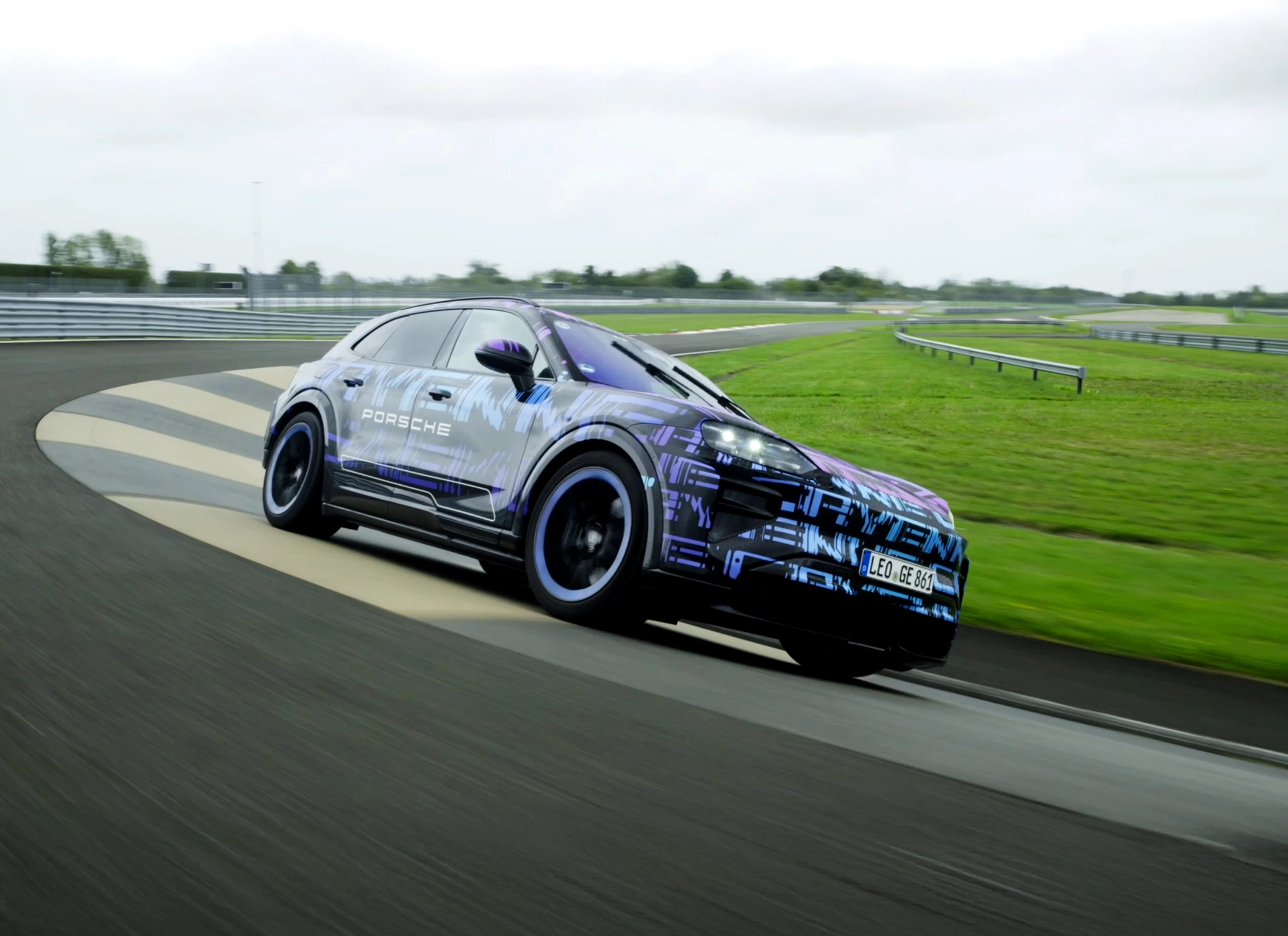
Motorsport Technology in the new Cayenne Turbo Electric

The Cayenne Turbo Electric delivers performance on a super sports car level—also thanks to technologies derived from motorsport: the direct oil cooling of the electric motor on the rear axle and the energy recuperation system were developed in Formula E, enhancing both efficiency and high continuous output.

7.4 s
0–200 KM/H
UP TO
600 kW
RECUPERATION POWER

CHARGING PERFORMANCE

Innovative High-Voltage System

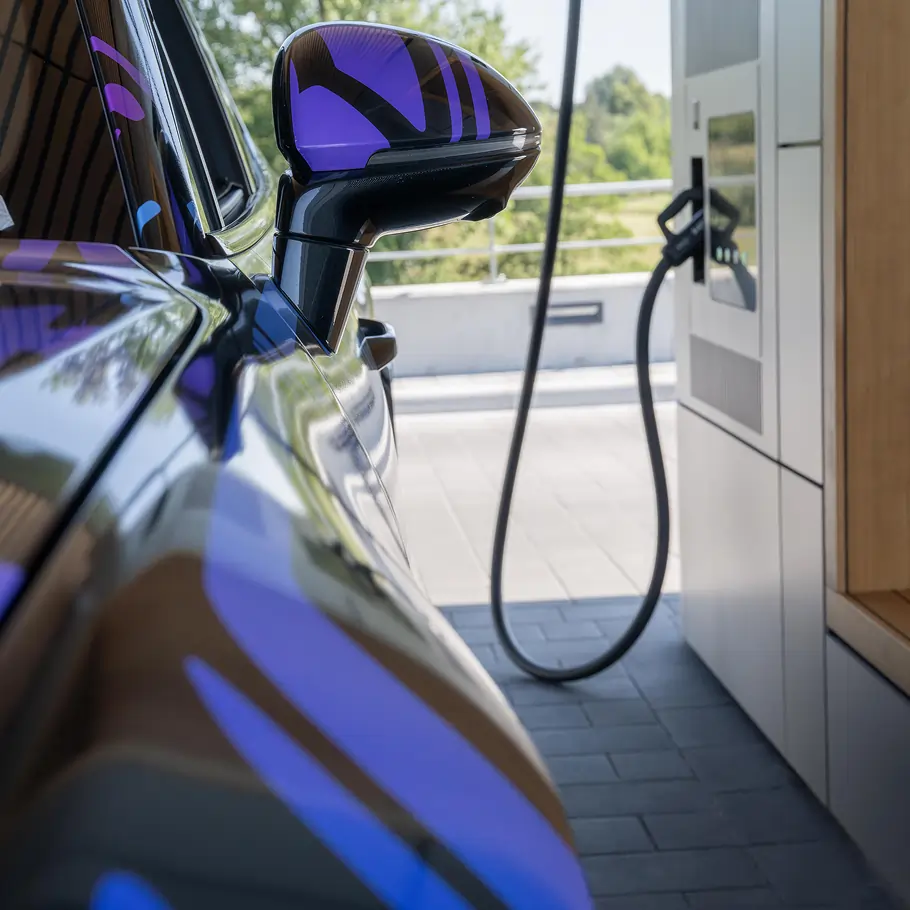
The Cayenne Electric impresses with a newly developed high‑voltage architecture. The HV battery offers high energy density and stable power delivery, while intelligent thermal management provides the foundation for electric performance on a new level—even under demanding conditions. At fast‑charging stations, 800‑volt technology enables particularly short charging stops.

UP TO
400 kW
charging power1
UP TO
325 km
RANGE IN 10 MIN. OF CHARGING TIME2

1

 Cayenne charging power under specific conditions with CCS fast charging station with > 400 kW, > 850 V, > 520A, initial state of charge 45% - 48%, battery temperature of 40°C - 42°C. Maximum charging power for direct current (DC) when charging from 10% SoC to up to 80% SoC under optimal conditions: 390 kW (CCS fast charging station with > 390kW, > 850 V, > 520A, battery temperature of 15°C, initial state of charge 9% and remaining range < 60 km).

2

Cayenne recharged range in 10 min for direct current (DC) with maximum charging power under optimal conditions (CCS fast charging station with > 390 kW, > 850 V, > 520A, battery temperature of 15°C, initial state of charge 9% and remaining range < 60km), based on WLTP consumption of a vehicle with standard equipment according to the German country version.
DIGITAL PERFORMANCE

Combining Porsche design DNA with digital innovation

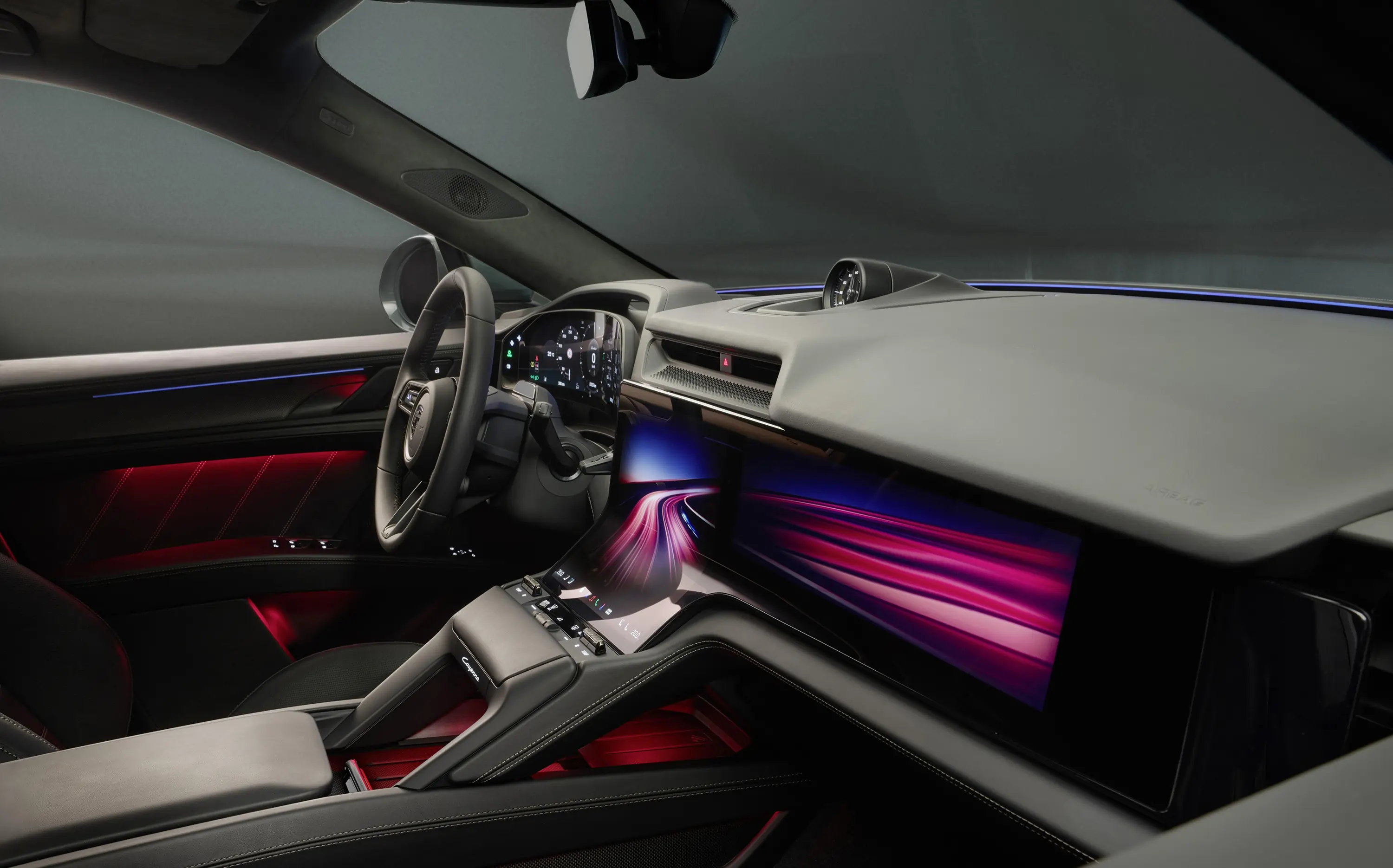
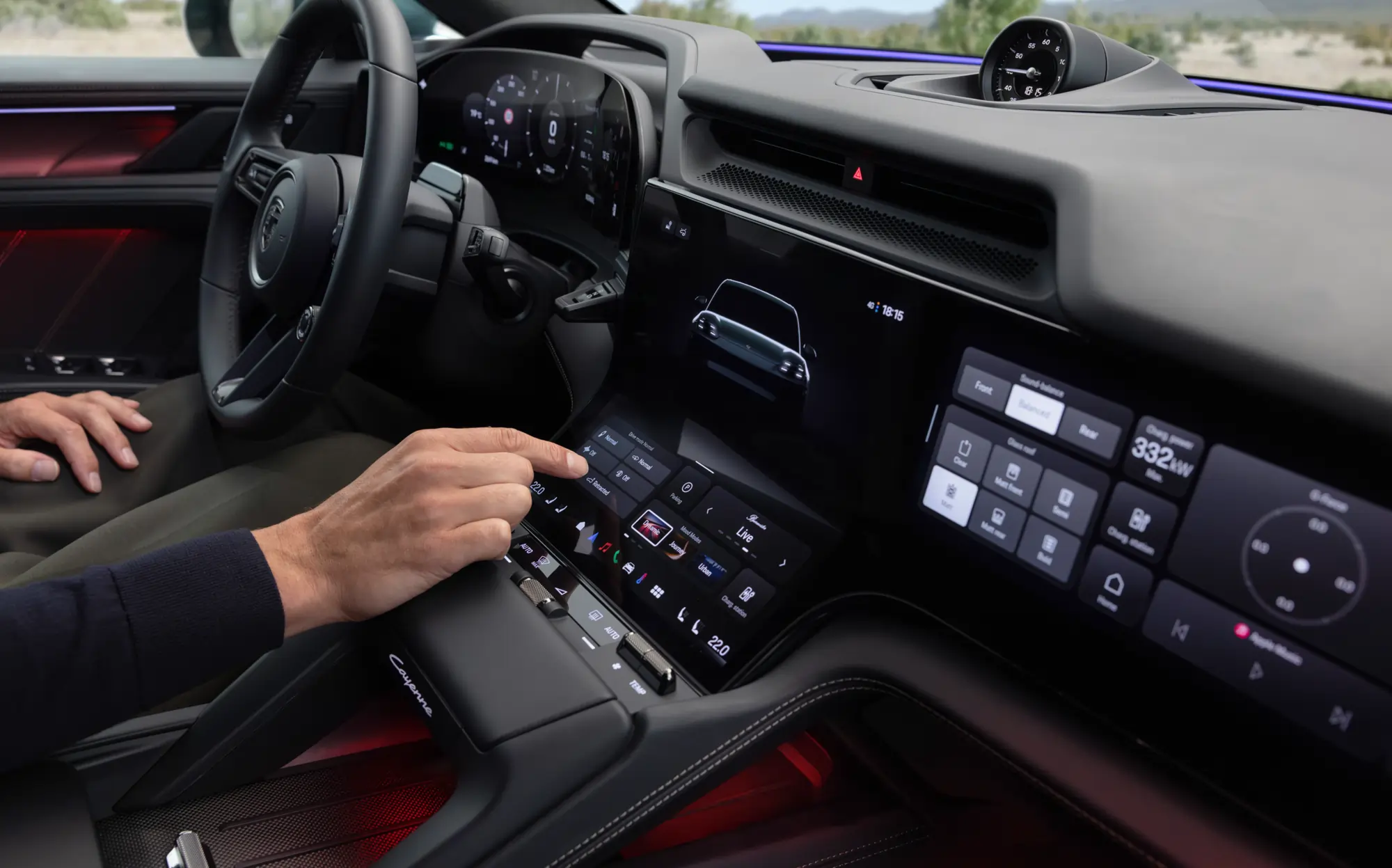
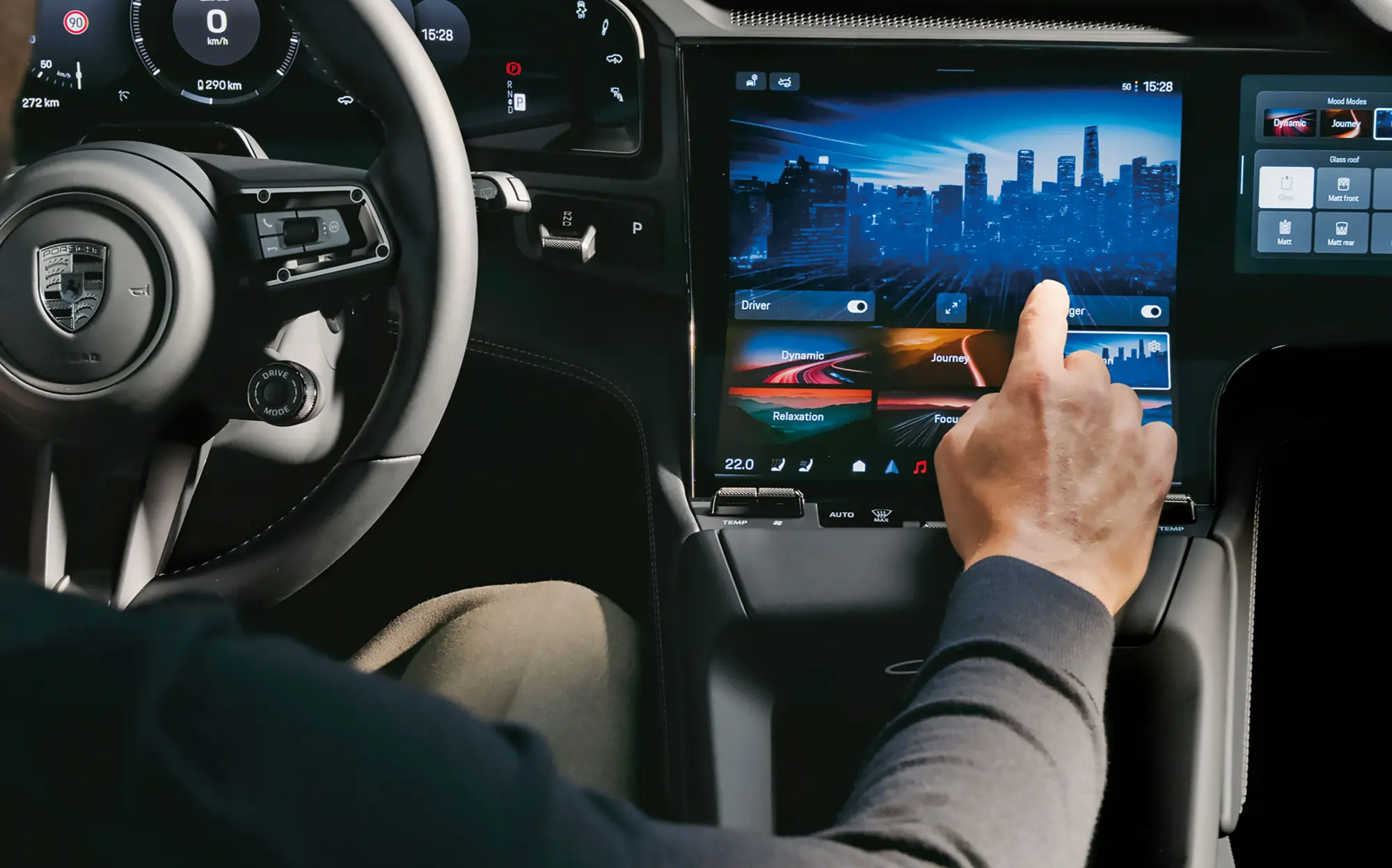
The Cayenne Electric transforms the interior into an experiential space, delivering greater comfort, expanded personalization options, and a new digital design language. At its heart is the central Flow Display—elegantly curved, seamlessly integrated, and intuitively operable.

A Conversational Partner – Thanks to an AI‑Powered Voice Assistant

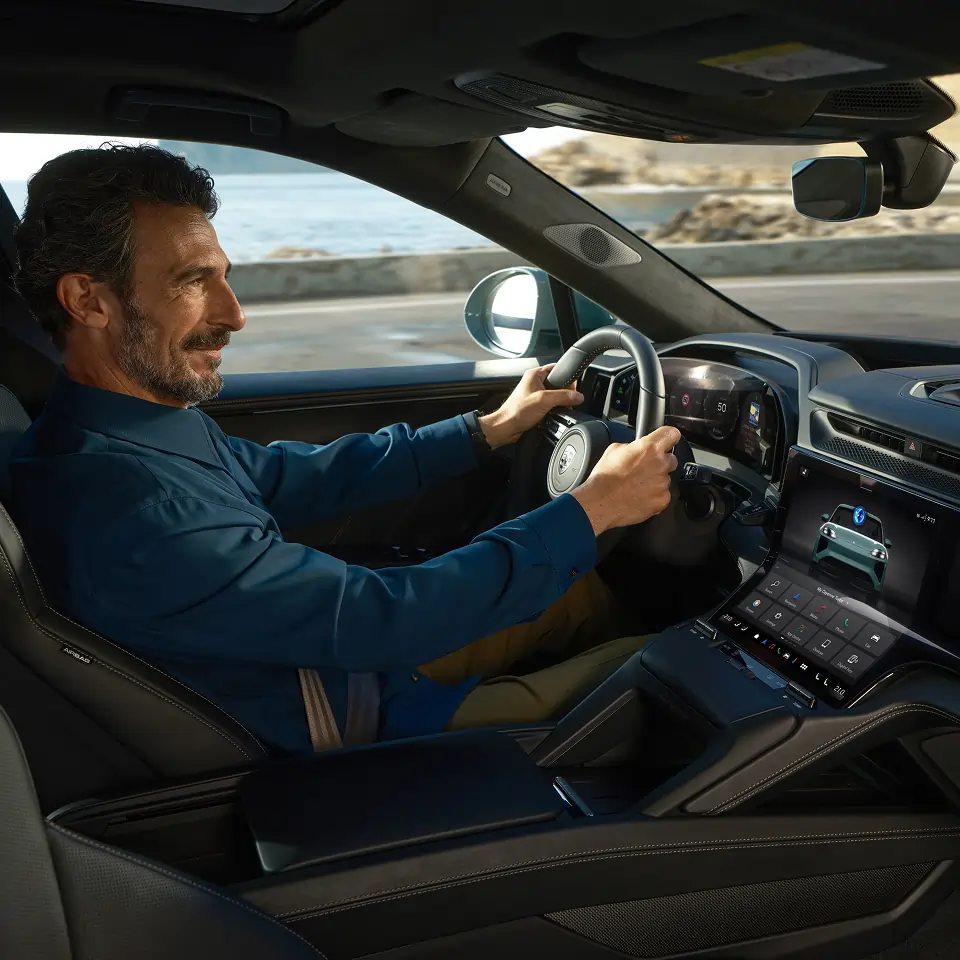
In the Cayenne Electric, Porsche elevates the digital experience to a new level. A key contributor is the new Voice Pilot: powered by artificial intelligence, it understands complex, connected requests, recognizes context, and responds like a genuine conversational partner. This allows navigation to be controlled intuitively while also providing access to extensive online knowledge.

Read next

911 Spirit 70 (WLTP): Fuel consumption combined: 10.6 – 10.4 l/100 km; CO₂ emissions combined: 240 – 236 g/km; CO₂ class: G; Status 03/2026

Cayenne Electric (WLTP): Electrical consumption combined: 21.8 – 19.7 kWh/100 km; CO₂ emissions combined: 0 g/km; CO₂ class: A; Status 03/2026

911 Turbo S Cabriolet (WLTP): Fuel consumption combined: 11.8 – 11.7 l/100 km; CO₂ emissions combined: 267 – 265 g/km; CO₂ class: G; Status 03/2026

Cayenne Turbo Electric (WLTP): Electrical consumption combined: 22.4 – 20.4 kWh/100 km; CO₂ emissions combined: 0 g/km; CO₂ class: A; Status 02/2026